Plastic pelletizer blades are critical spare parts in plastic extrusion, recycling, compounding, and pelletizing production lines. A suitable blade helps cut plastic materials into uniform pellets, reduce fines and dust, improve cutting stability, and lower downtime. A poor-quality or mismatched blade can cause pellet tails, uneven pellet size, fast wear, machine vibration, and frequent replacement.
Plastic pelletizer blades should be selected according to the pelletizing machine type, plastic material, cutting method, blade material, hardness, edge angle, and installation dimensions.
For plastic recycling plants, extrusion line users, masterbatch manufacturers, and plastic compounding factories, choosing the right pelletizer knife is not only about buying a replacement part. It directly affects pellet quality, production efficiency, and long-term operating cost.
If you are looking for a circular blade for plastic pelletizing equipment, you can also check our Circular Pelletizing Blade for Plastic Pelletizer.
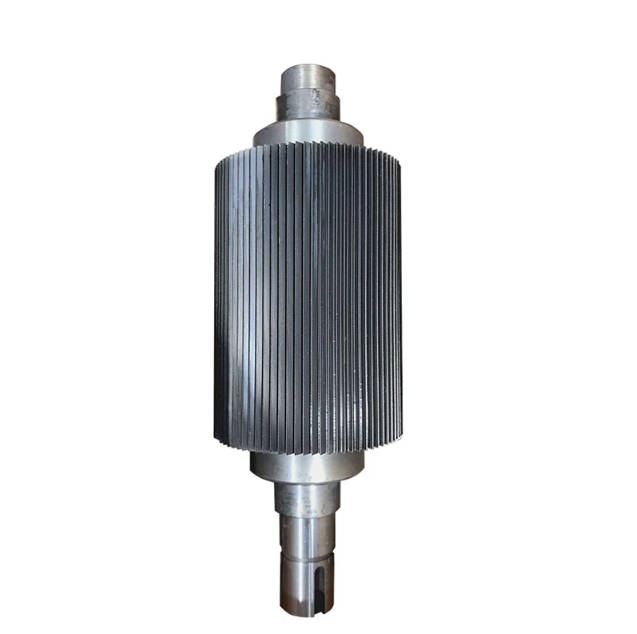
What Are Plastic Pelletizer Blades?
Plastic pelletizer blades are cutting tools used to cut plastic strands, molten polymer, recycled plastic, or compounded materials into small pellets. They are commonly installed in plastic pelletizers, strand pelletizers, die-face pelletizers, underwater pelletizers, recycling pelletizing lines, and extrusion pelletizing systems.
Depending on the machine structure and application, they may also be called:
- Pelletizer knives
- Pelletizing blades
- Plastic recycling blades
- Extrusion pelletizer blades
- Strand pelletizer knives
- Circular pelletizing blades
- Rotor knives
- Bed knives
- Die face cutter blades
- Replacement pelletizer blades
Although the names are different, the purpose is the same: to cut plastic material cleanly and consistently during pellet production.
Why Plastic Pelletizer Blades Matter in Extrusion and Recycling Lines
In plastic extrusion and recycling production, pellet quality is closely related to blade performance. If the blade is sharp, wear-resistant, and correctly installed, pellets can be cut with stable length and clean edges.
If the blade is dull, too soft, too brittle, or not compatible with the machine, production problems will appear quickly.
Common problems caused by unsuitable plastic recycling blades include:
- Uneven pellet length
- Excessive fines and dust
- Pellet tails
- Smearing or melted pellet edges
- Rough cutting surface
- Blade chipping
- High machine vibration
- Increased motor load
- Frequent machine shutdown
- Higher maintenance cost
- Poor final pellet appearance
A good plastic pelletizer blade should provide clean cutting, stable wear resistance, proper toughness, accurate dimensions, and reliable service life.
Main Applications of Plastic Pelletizer Blades
Plastic pelletizer blades are used in many plastic processing industries.
Plastic Recycling Lines
Plastic recycling lines often process used, contaminated, or mixed plastic materials. These materials may contain dust, fillers, impurities, or inconsistent hardness. Therefore, recycling applications usually require blades with good toughness and wear resistance.
Common recycled materials include:
- Recycled PE
- Recycled PP
- Recycled PET
- Recycled PVC
- Recycled ABS
- Mixed plastic waste
- Film recycling materials
- Bottle flakes
- Recycled engineering plastics
For recycling plants, blade durability is especially important because frequent replacement can stop production and increase labor cost.
Plastic Extrusion Pelletizing Lines
Extrusion pelletizing lines require stable cutting after the plastic material is extruded and cooled or cut at the die face. The blade must match the extrusion speed, material hardness, and pellet size requirement.
Common extrusion applications include:
- PP extrusion pelletizing
- PE extrusion pelletizing
- ABS extrusion pelletizing
- PVC extrusion pelletizing
- PET extrusion pelletizing
- Engineering plastic extrusion
- Modified plastic pelletizing
Masterbatch Production
Masterbatch pelletizing requires clean and consistent pellets. If the blade is not sharp enough, color pellets may have rough edges, dust, or irregular shapes. For color masterbatch production, pellet appearance is often important.
Plastic Compounding Lines
Compounding lines may process filled plastics, reinforced plastics, and modified polymers. Some materials contain glass fiber, mineral powder, flame retardants, or other additives. These materials can be abrasive, so the blade material must be selected carefully.
Types of Plastic Pelletizer Blades
Different pelletizing systems require different blade structures.
Circular Pelletizing Blades
A circular pelletizing blade is used in rotary cutting systems. It is suitable for plastic pelletizers that require stable rotation and continuous cutting.
Important specifications include:
- Outer diameter
- Inner diameter
- Thickness
- Cutting edge design
- Hole size
- Tooth profile
- Surface finish
- Hardness
- Runout tolerance
For buyers who need circular blades for plastic pelletizers, our Circular Pelletizing Blade for Plastic Pelletizer can be used for reference.
Strand Pelletizer Knives
Strand pelletizer knives cut cooled plastic strands into pellets. A typical cutting system may include rotor knives and bed knives. The knife gap is very important. If the gap is too large, the strand may not be cut cleanly. If the gap is too small, the blade may wear faster.
Die Face Cutter Blades
Die face cutter blades are used to cut molten plastic directly at the die surface. They need good heat resistance, wear resistance, dimensional accuracy, and stable cutting pressure.
Rotor Knives and Bed Knives
Rotor knives rotate during cutting, while bed knives remain fixed. These two parts must work together. If one side is worn or incorrectly installed, the pelletizing result will be unstable.
How to Choose the Right Plastic Pelletizer Blade Material
Blade material directly affects cutting performance and service life. Different plastic materials require different blade materials.
| Blade Material | Main Advantage | Suitable Application |
| Tool steel | Good toughness and cost performance | General plastic pelletizing |
| High-speed steel | Better wear resistance and edge retention | Medium and high-speed pelletizing |
| Stainless steel | Better corrosion resistance | Wet or corrosive processing conditions |
| Carbide | Excellent wear resistance | Abrasive plastics and glass-filled materials |
| Custom alloy steel | Balanced strength and durability | Special extrusion or recycling applications |
For general plastic extrusion lines, tool steel or high-speed steel may be suitable. For abrasive recycling materials or filled plastics, wear-resistant steel or carbide may provide longer service life.
If your pelletizer blades wear too quickly, the blade material may not match your plastic material or production condition.
Blade Hardness: Why It Should Not Be Too High or Too Low
Hardness is one of the most important factors when selecting plastic pelletizer blades.
If the blade hardness is too low, the cutting edge may become dull quickly. This can cause more fines, uneven pellet length, and poor cutting quality.
If the blade hardness is too high, the blade may become brittle and easy to chip, especially when processing recycled plastics with impurities.
A suitable pelletizer knife should balance:
- Hardness
- Toughness
- Wear resistance
- Impact resistance
- Edge retention
- Cutting stability
For clean plastic extrusion lines, higher hardness can improve wear resistance. For recycling lines with unstable materials, toughness is also very important.
Edge Angle: How It Affects Pellet Quality
The blade edge angle affects cutting force, sharpness, and blade strength.
A sharper blade can reduce cutting resistance and produce cleaner pellets. However, if the edge is too thin, it may chip easily. A stronger edge angle can improve durability, but it may increase cutting force.
| Edge Design | Advantage | Possible Problem |
| Sharper edge | Cleaner cutting and lower resistance | Easier to chip under impact |
| Stronger edge | Better durability and impact resistance | May increase cutting force |
| Optimized edge | Balance between sharpness and strength | Requires correct design based on material |
For soft plastics such as PE, a sharp blade can help reduce smearing. For abrasive or filled plastics, a stronger and more wear-resistant edge may be necessary.
Machine Compatibility: What Buyers Must Confirm Before Ordering
Even a high-quality extrusion pelletizer blade will not work well if the dimensions are wrong. Machine compatibility is very important, especially for replacement blades.
Before ordering, buyers should confirm:
- Machine model
- Blade type
- Outer diameter
- Inner diameter
- Thickness
- Mounting hole size
- Keyway size
- Tooth profile
- Cutting edge direction
- Required hardness
- Blade tolerance
- Original blade sample or drawing
For circular blades, concentricity and thickness accuracy are especially important. Poor dimensional accuracy may cause vibration, unstable cutting, and faster bearing wear.
Plastic Material and Blade Selection
Different plastic materials create different cutting challenges.
| Plastic Material | Common Cutting Challenge | Blade Selection Suggestion |
| PP | General cutting requirement | Tool steel or high-speed steel |
| PE | Soft material, possible smearing | Sharp edge and stable cutting |
| PET | Harder material, more wear | Wear-resistant steel |
| PVC | Heat sensitivity or corrosion risk | Stainless or suitable treated blade |
| ABS | Stable pellet shape requirement | High-quality tool steel |
| Glass-filled plastic | Strong abrasion | Carbide or wear-resistant blade |
| Recycled plastic | Impurities and unstable hardness | Tough and wear-resistant blade |
For plastic recycling plants, material condition can change from batch to batch. Therefore, the blade should be selected with both wear resistance and toughness in mind.
Common Pelletizing Problems and Blade-Related Causes
1. Uneven Pellet Length
Possible causes include dull blades, unstable feeding, incorrect knife gap, worn rotor knives, or poor machine alignment.
2. Excessive Fines and Dust
Fines and dust are often related to dull blades, brittle materials, wrong blade clearance, or poor cutting angle.
3. Pellet Tails
Pellet tails may appear when the blade cannot cut the strand cleanly. Common causes include dull knives, large knife gap, poor blade alignment, or unsuitable edge geometry.
4. Smearing or Melted Edges
This problem may happen when the plastic is too hot, the blade is not sharp enough, or the cutting speed is not suitable.
5. Blade Chipping
Blade chipping may be caused by excessive hardness, poor heat treatment, impact from impurities, wrong installation, or unsuitable blade material.
When pellet quality becomes unstable, checking the blade condition, knife gap, and blade material should be one of the first troubleshooting steps.
Plastic Recycling Blades: What Recycling Plants Should Pay Attention To
Plastic recycling applications are more demanding than clean extrusion applications because recycled materials may contain impurities, dirt, labels, fillers, or different plastic types.
When choosing plastic recycling blades, buyers should pay attention to:
- Blade toughness
- Wear resistance
- Impact resistance
- Heat treatment quality
- Edge stability
- Resistance to chipping
- Machine compatibility
- Ease of replacement
- Stock availability
For recycling plants, the cheapest blade is not always the most economical choice. If the blade wears quickly and stops the line frequently, the total cost will be higher.
Extrusion Pelletizer Blade: What Extrusion Line Users Should Check
For extrusion pelletizing lines, the blade should match the line speed, plastic type, cutting method, and pellet size requirement.
Extrusion line users should check:
- Whether the blade can handle continuous production
- Whether the cutting edge stays sharp during long operation
- Whether pellet size remains stable
- Whether the blade creates excessive dust
- Whether the blade material matches the plastic compound
- Whether the blade dimensions match the pelletizer
Stable cutting is especially important for high-output extrusion lines. A small blade problem can affect the whole production process.
How to Measure Plastic Pelletizer Blades for Replacement
If you need replacement pelletizer blades, accurate measurement is necessary.
For circular plastic pelletizer blades, measure:
- Outer diameter
- Inner diameter
- Thickness
- Hole size
- Hole position
- Keyway size
- Tooth number
- Cutting edge shape
- Bevel direction
- Surface finish requirement
For straight pelletizer knives, measure:
- Length
- Width
- Thickness
- Hole size
- Hole spacing
- Edge angle
- Mounting direction
If possible, provide a technical drawing or send a sample blade to the supplier. This reduces the risk of wrong production.
How to Extend Plastic Pelletizer Blade Service Life
To improve blade life and reduce downtime, you can follow these tips:
- Choose the correct blade material
- Use suitable blade hardness
- Keep knife gap properly adjusted
- Avoid using dull blades for too long
- Clean the cutting area regularly
- Check machine vibration
- Replace damaged blades in time
- Avoid unnecessary impact during installation
- Store spare blades carefully
- Use matched rotor and bed knives
Blade service life depends not only on the blade itself but also on machine condition, plastic material, operator adjustment, and maintenance.
Buying Checklist for Plastic Pelletizer Blades
Before asking for a quotation, prepare the following information:
| Information | Why It Matters |
| Machine type | Determines blade structure |
| Machine model | Helps confirm compatibility |
| Blade drawing or sample | Ensures accurate production |
| Plastic material | Helps choose blade material |
| Cutting method | Strand, rotary, die-face, or underwater |
| Blade dimensions | Required for correct installation |
| Hardness requirement | Affects wear and chipping resistance |
| Current blade problem | Helps optimize material or edge design |
| Quantity | Helps supplier quote accurately |
| Application environment | Dry, wet, high-speed, recycling, or abrasive |
The more complete your information is, the more accurate the blade recommendation will be.
How to Choose a Reliable Plastic Pelletizer Blade Supplier
A reliable supplier should not only sell blades but also understand the cutting application. For extrusion and recycling users, technical support is important.
When evaluating a supplier, check whether they can provide:
- Custom blade manufacturing
- Material selection advice
- Heat treatment control
- Precision grinding
- Dimensional inspection
- Blade drawing support
- OEM replacement service
- Stable repeat orders
- Packaging protection
- Clear communication for international buyers
If your machine uses non-standard blades, supplier customization capability becomes especially important.
Final Recommendation
Choosing the right plastic pelletizer blades requires attention to blade material, hardness, edge angle, heat treatment, machine compatibility, plastic material, and cutting conditions.
For plastic recycling plants, blade toughness and wear resistance are especially important. For extrusion line users, cutting stability, dimensional accuracy, and long-term pellet quality are key factors.
The best plastic pelletizer blade is not simply the hardest or cheapest blade. It is the blade that matches your material, machine, cutting speed, and pellet quality requirements.
If you need a replacement blade for plastic pelletizing equipment, you can view our Circular Pelletizing Blade for Plastic Pelletizer or send your blade drawing, sample, machine model, and plastic material for recommendation.
Need Help Choosing Plastic Pelletizer Blades?
Not sure which blade is suitable for your extrusion or recycling line?
Send us:
- Blade photo
- Blade drawing
- Machine model
- Plastic material
- Cutting method
- Required hardness
- Outer diameter
- Inner diameter
- Thickness
- Current cutting problem
- Quantity
Our team can help recommend the right blade material, hardness, edge design, and replacement solution.
Send your blade drawing or sample photo for a plastic pelletizer blade recommendation.
FAQ
What are plastic pelletizer blades used for?
Plastic pelletizer blades are used to cut plastic strands, molten polymer, recycled plastic, or compounded materials into pellets in extrusion, recycling, compounding, and pelletizing production lines.
How do I choose plastic pelletizer blades?
You should choose plastic pelletizer blades based on machine type, plastic material, cutting method, blade dimensions, hardness, edge angle, wear resistance, and production conditions.
What is the difference between a pelletizer knife and a pelletizer blade?
In many applications, pelletizer knife and pelletizer blade refer to the same type of cutting tool. The exact term depends on the machine structure, such as circular blade, rotor knife, bed knife, or die face cutter blade.
Why do plastic recycling blades wear faster?
Plastic recycling blades may wear faster because recycled materials can contain impurities, fillers, dust, labels, or mixed plastic types. These materials increase abrasion and impact during cutting.
What causes fines and dust in plastic pelletizing?
Fines and dust may be caused by dull blades, incorrect knife gap, brittle plastic material, wrong cutting angle, or unstable feeding.
Can plastic pelletizer blades be customized?
Yes. Plastic pelletizer blades can be customized according to machine model, blade drawing, sample, outer diameter, inner diameter, thickness, hole size, material, hardness, and cutting edge design.