Choosing the right pelletizer blade is essential for plastic pelletizing lines. A suitable blade can help produce uniform pellets, reduce fines and dust, improve cutting stability, and extend machine service life. However, if the blade material, hardness, edge angle, or machine compatibility is wrong, the production line may face uneven pellet length, blade chipping, poor cutting quality, and frequent downtime.
The right pelletizer blade should match the plastic material, pelletizing machine type, cutting speed, blade hardness, edge geometry, and installation dimensions.
For plastic extrusion lines, recycling pelletizing lines, masterbatch production, and compounding applications, selecting the correct plastic pelletizer blade is not just a spare parts decision. It directly affects production efficiency, pellet quality, and long-term operating cost.
If you are looking for a replacement blade for plastic pelletizing equipment, you can also check our Circular Pelletizing Blade for Plastic Pelletizer for reference.
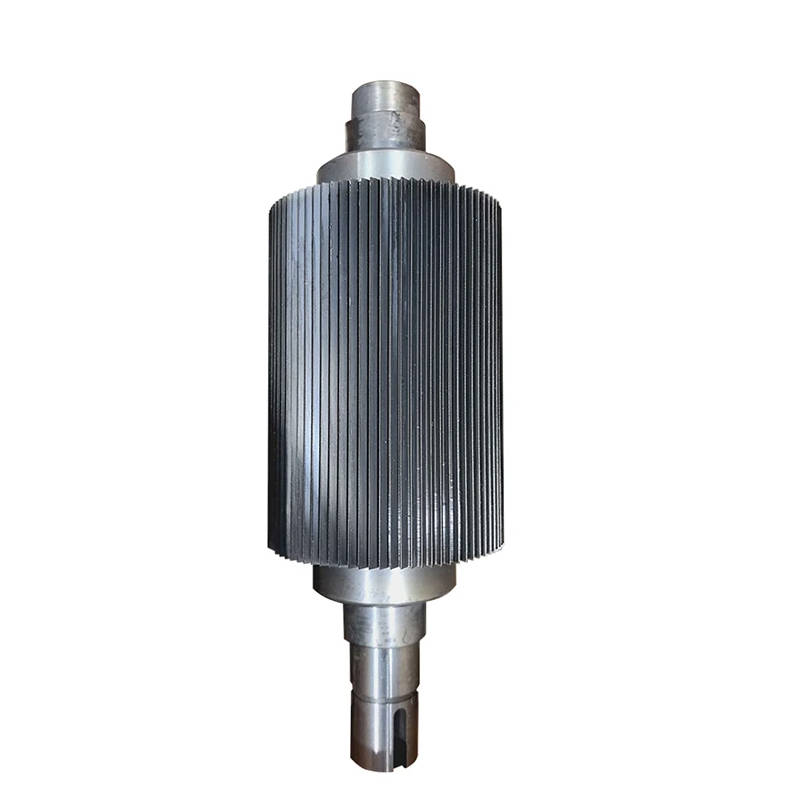
What Is a Pelletizer Blade?
A pelletizer blade is a cutting tool used in plastic pelletizing machines to cut plastic strands, molten polymer, or extruded materials into pellets. It is commonly used in plastic recycling, plastic extrusion, masterbatch production, and polymer compounding lines.
Depending on the machine structure, pelletizer blades may also be called:
- Plastic pelletizer blade
- Pelletizer knives
- Pelletizing blades
- Rotary pelletizer blade
- Strand pelletizer knife
- Die face cutter blade
- Circular pelletizing blade
- Rotor knife
- Bed knife
- Replacement pelletizer blade
Although these names are sometimes used differently, they all refer to cutting tools used to produce plastic pellets with stable size and clean edges.
Why Pelletizer Blade Selection Matters
The pelletizer blade directly contacts the plastic material during cutting. If the blade is sharp, stable, and correctly matched to the machine, pellets can be cut cleanly and consistently. If the blade is dull, too soft, too brittle, or installed incorrectly, many production problems may appear.
Common problems caused by unsuitable pelletizer knives include:
- Uneven pellet length
- Excessive fines and dust
- Pellet tails
- Smearing or melted pellet edges
- Blade chipping
- Fast blade wear
- High machine vibration
- Increased motor load
- Frequent shutdown for replacement
- Poor product appearance
A high-quality pelletizing blade should not only be sharp, but also have enough wear resistance, toughness, dimensional accuracy, and heat treatment stability.
Main Types of Pelletizer Blades
Different plastic pelletizing lines use different blade types. Before buying a replacement blade, you should first confirm your machine type.
1. Circular Pelletizing Blade
A circular pelletizing blade is commonly used in plastic pelletizer equipment where rotary cutting is required. The circular design helps support continuous cutting and stable rotation.
This type of blade is often selected for applications that require:
- Continuous pellet cutting
- Stable rotation
- Accurate blade dimensions
- Good wear resistance
- Reliable cutting performance
For buyers using circular cutting structures, the blade size, shaft hole, outer diameter, thickness, tooth profile, and surface treatment must match the machine accurately.
You can view our Circular Pelletizing Blade for Plastic Pelletizer if you need a blade for plastic pelletizing applications.
2. Strand Pelletizer Blades
Strand pelletizer blades are used to cut cooled plastic strands into pellets. In many strand pelletizers, the cutting system includes a rotor knife and a bed knife.
This blade type is commonly used for:
- PP pelletizing
- PE pelletizing
- ABS pelletizing
- PET pelletizing
- PVC pelletizing
- Masterbatch pelletizing
- Plastic recycling lines
For strand pelletizing, the gap between the rotor knife and the bed knife is very important. If the gap is too large, the strands may not be cut cleanly. If the gap is too small, blade wear and machine load may increase.
3. Die Face Cutter Blades
Die face cutter blades are used in die-face pelletizing or underwater pelletizing systems. These blades cut molten plastic directly at the die surface.
They usually require:
- Good wear resistance
- Stable hardness
- Corrosion resistance
- Accurate blade pressure
- High temperature resistance
- Excellent dimensional precision
Die face cutter blades are often used in high-output pelletizing lines and applications where pellet shape consistency is important.
4. Rotor Knives and Bed Knives
Rotor knives rotate with the cutter shaft, while bed knives remain fixed. Together, they cut the plastic strand into pellets.
When choosing rotor and bed knives, you should check:
- Knife material
- Blade hardness
- Knife gap
- Cutting angle
- Installation hole position
- Machine model compatibility
- Surface grinding accuracy
If the rotor knife and bed knife do not match properly, cutting quality will be unstable.
How to Choose the Right Pelletizer Blade Material
Blade material is one of the most important factors affecting service life and cutting performance.
Different plastics create different cutting conditions. Soft plastics, hard plastics, recycled plastics, glass-filled materials, and abrasive compounds may require different blade materials.
| Blade Material | Main Advantage | Suitable Applications |
| Tool steel | Good toughness and cost performance | General plastic pelletizing |
| High-speed steel | Better wear resistance and edge retention | Medium to high-speed cutting |
| Stainless steel | Better corrosion resistance | Wet or corrosive cutting conditions |
| Carbide | Excellent wear resistance | Abrasive plastics, glass-filled materials, high-volume production |
| Custom alloy steel | Balanced hardness and toughness | Customized pelletizing applications |
For general plastic pelletizing lines, tool steel or high-speed steel may be enough. For abrasive materials such as glass fiber reinforced plastics, mineral-filled plastics, or heavily contaminated recycled plastics, carbide or wear-resistant materials may be more suitable.
If your pelletizer blade wears too fast, the problem may not be the machine. It may be that the blade material does not match the plastic material being processed.
How Hardness Affects Pelletizer Blade Performance
Hardness affects both wear resistance and toughness.
A blade that is too soft may wear quickly and become dull. A blade that is too hard may chip or crack under impact. The ideal hardness should balance sharpness, strength, and durability.
When checking pelletizer blade hardness, consider:
- Plastic material hardness
- Filler content
- Cutting speed
- Machine vibration
- Blade impact load
- Required service life
- Risk of chipping
For abrasive plastics, higher hardness may improve wear resistance. For impact-heavy cutting conditions, toughness is also important.
A good heat treatment process helps the blade maintain proper hardness while reducing internal stress. This is especially important for circular pelletizing blades because deformation can affect rotation accuracy and cutting stability.
Why Heat Treatment Is Important
Heat treatment determines whether the pelletizer blade can maintain stable performance during long-term use.
A good heat treatment process can improve:
- Blade hardness
- Wear resistance
- Toughness
- Edge stability
- Dimensional stability
- Resistance to deformation
- Service life
Poor heat treatment may cause:
- Blade cracking
- Edge chipping
- Uneven hardness
- Fast wear
- Blade deformation
- Short service life
For plastic pelletizing lines, the blade must remain sharp while resisting impact and friction. This is why both hardness and toughness should be considered together.
How Edge Angle Affects Cutting Quality
The edge angle of the pelletizer blade affects sharpness, cutting force, blade strength, and pellet quality.
A smaller edge angle can make the blade sharper and reduce cutting resistance. However, if the angle is too small, the blade edge may become weak and easy to chip.
A larger edge angle provides stronger blade support, but it may increase cutting force and reduce cutting smoothness.
| Edge Angle Choice | Advantage | Possible Risk |
| Smaller edge angle | Sharper cutting, lower resistance | Easier to chip under impact |
| Larger edge angle | Stronger edge, better impact resistance | Higher cutting force |
| Optimized edge angle | Balance of sharpness and strength | Requires matching to material and machine |
The best pelletizer blade angle should maintain enough sharpness for clean cutting while providing enough strength to prevent chipping.
This is especially important when cutting recycled plastics, filled plastics, or harder plastic compounds.
Machine Compatibility: What Buyers Must Check
Before ordering a plastic pelletizer blade, always confirm whether the blade matches your machine. Even a high-quality blade will not work well if the dimensions are wrong.
Important dimensions include:
- Outer diameter
- Inner diameter
- Blade thickness
- Shaft hole size
- Keyway size
- Tooth profile
- Mounting hole position
- Cutting edge design
- Blade width
- Blade length
- Surface finish
- Tolerance requirement
For circular pelletizing blades, dimensional accuracy is especially important because poor concentricity or incorrect hole size can cause vibration, uneven cutting, and faster bearing wear.
If you are replacing an existing blade, you should provide:
- Original blade photo
- Machine model
- Blade drawing
- Outer diameter
- Inner hole diameter
- Thickness
- Material requirement
- Hardness requirement
- Application material
- Quantity needed
How Plastic Material Affects Blade Selection
Different plastics create different cutting challenges. The blade used for soft PE may not perform well on glass-filled nylon or recycled PET.
| Plastic Material | Cutting Challenge | Blade Selection Advice |
| PP | General cutting, moderate wear | Tool steel or high-speed steel |
| PE | Softer material, possible smearing | Sharp edge and proper cooling |
| PET | Harder material, higher wear | Wear-resistant steel or carbide option |
| PVC | Possible corrosion or heat sensitivity | Stainless or suitable treated blade |
| ABS | Stable cutting requirement | High-quality tool steel |
| Glass-filled plastics | Highly abrasive | Carbide or wear-resistant material |
| Recycled plastics | Contamination and unstable material | Tough and wear-resistant blade |
If you process recycled plastic, blade wear may be faster because the material can contain impurities, fillers, or inconsistent hardness. In this case, choosing a stronger blade material can reduce downtime.
Signs That You Need to Replace Pelletizer Blades
Many production problems appear when pelletizer knives become dull or damaged.
You may need to replace your pelletizer blade if you notice:
- More fines and dust
- Uneven pellet size
- Pellet tails
- Rough pellet edges
- Increased machine noise
- Higher vibration
- More motor load
- Plastic strands not cut cleanly
- Blade edge chipping
- Frequent production defects
When pellet quality becomes unstable, checking the blade condition should be one of the first troubleshooting steps.
Replacing worn blades in time can help protect the machine and keep pellet quality consistent.
Common Mistakes When Buying Pelletizer Blades
Mistake 1: Only Comparing Price
A low-cost pelletizer blade may wear quickly, chip easily, or require frequent replacement. The real cost should include machine downtime, defective pellets, labor, and production loss.
Mistake 2: Ignoring Blade Material
Different plastics require different blade materials. A blade that works well for clean PP may not be suitable for abrasive recycled plastics.
Mistake 3: Choosing the Wrong Hardness
Too soft means fast wear. Too hard means possible chipping. The right hardness should match the cutting condition.
Mistake 4: Not Providing Accurate Dimensions
Small dimensional errors can cause poor installation, vibration, and unstable cutting. For custom blades, drawings or samples are strongly recommended.
Mistake 5: Ignoring Edge Angle
The blade edge must balance sharpness and strength. A wrong angle can cause smearing, chipping, or poor pellet quality.
Pelletizer Blade Selection Checklist
Before purchasing a pelletizer blade, prepare the following information:
| Information Needed | Why It Matters |
| Machine type | Determines blade structure |
| Machine model | Helps confirm compatibility |
| Blade drawing or sample | Ensures accurate replacement |
| Outer diameter | Important for circular blades |
| Inner diameter | Must match shaft installation |
| Blade thickness | Affects mounting and cutting |
| Plastic material | Determines blade material |
| Production speed | Affects wear and cutting force |
| Cutting method | Strand, die-face, underwater, or rotary |
| Hardness requirement | Affects wear resistance and toughness |
| Quantity | Helps quotation and production planning |
This information helps the supplier recommend a suitable blade and avoid wrong specifications.
How to Improve Pelletizer Blade Service Life
To extend the service life of pelletizer knives, buyers should pay attention to both blade quality and machine operation.
Useful tips include:
- Choose the right blade material
- Use proper blade hardness
- Keep the blade gap correctly adjusted
- Avoid running dull blades for too long
- Clean the cutting area regularly
- Check machine vibration
- Avoid feeding contaminated materials if possible
- Replace damaged blades in time
- Store spare blades properly
- Use matched rotor and bed knives
Good maintenance can reduce blade wear and improve pellet quality.
When Should You Choose a Custom Pelletizer Blade?
Standard blades may not always fit your machine, especially if your pelletizer is older, customized, or imported from a specific equipment brand.
You may need a custom pelletizer blade if:
- The original blade size is not standard
- The machine model is special
- The material is highly abrasive
- The blade wears too quickly
- The pellet quality is unstable
- The cutting edge needs a special angle
- The blade requires special hardness
- You need OEM replacement knives
For custom orders, it is best to provide a drawing or original sample. This helps ensure that the new blade matches your machine correctly.
Final Recommendation
Choosing the right pelletizer blade requires more than checking size and price. Buyers should consider blade type, material, hardness, edge angle, heat treatment, plastic material, and machine compatibility.
For general plastic pelletizing lines, a well-made plastic pelletizer blade can improve cutting stability and pellet quality. For abrasive or high-output production, wear-resistant materials and optimized heat treatment become more important.
The best pelletizer blade is the one that cuts cleanly, resists wear, matches the machine accurately, and keeps pellet quality stable during continuous production.
If you need a blade for plastic pelletizing equipment, you can check our Circular Pelletizing Blade for Plastic Pelletizer or send your blade drawing, machine model, and plastic material for recommendation.
Need Help Choosing the Right Pelletizer Blade?
Not sure which pelletizer blade is suitable for your plastic pelletizing line?
Send us:
- Blade photo
- Blade drawing
- Machine model
- Plastic material
- Required hardness
- Outer diameter
- Inner diameter
- Thickness
- Quantity
- Current cutting problem
Our team can help recommend a suitable blade material, hardness, edge design, and replacement solution.
Send your blade drawing or product photo for pelletizer blade recommendation.
FAQ
What is a pelletizer blade?
A pelletizer blade is a cutting tool used in plastic pelletizing machines to cut plastic strands or molten polymer into pellets. It is also called a plastic pelletizer blade, pelletizer knife, pelletizing blade, or rotary cutting blade.
How do I choose a pelletizer blade?
To choose a pelletizer blade, check your machine type, blade dimensions, plastic material, cutting speed, hardness requirement, edge angle, and wear condition. A drawing or original blade sample is recommended for accurate replacement.
What material is best for plastic pelletizer blades?
The best material depends on the plastic being processed. Tool steel or high-speed steel is suitable for general plastics, while carbide or wear-resistant steel may be better for abrasive plastics, glass-filled plastics, or recycling materials.
Why do pelletizer blades wear quickly?
Pelletizer blades may wear quickly because of abrasive plastic materials, wrong blade material, poor heat treatment, incorrect blade gap, machine vibration, or contaminated recycled materials.
What causes pellet tails in plastic pelletizing?
Pellet tails can be caused by dull blades, incorrect knife gap, poor blade alignment, unstable strand feeding, or unsuitable blade edge angle.
Can pelletizer blades be customized?
Yes. Pelletizer blades can be customized according to machine model, drawing, sample, blade material, hardness, thickness, hole size, and cutting edge design.
Related Reading
- Understanding Pad Printing Cliche Plates: A Comprehensive Guide to Materials
- Plastic Pelletizer Blades: Complete Buying Guide for Extrusion and Recycling
- How to Choose the Correct Etch Depth for Pad Printing Cliche Plates
- Which Design Features and Engraving Techniques Optimize Ink Transfer
- How to Choose the Right Pad Printing Machine for Your Product