U.S. buyers looking for pad printing plate suppliers can compare Inkcups, Deco Tech, ITW Trans Tech, AutoTran, Automark, Diversified Printing, Engineered Printing Solutions, Teca-Print USA, Printex USA, and ENGYPRINT. These suppliers offer different combinations of plate materials, custom sizing, image processing, and plate-making support. The useful distinction is what each can deliver for your existing machine and printing job.
A plate order can mean several things: unprocessed blanks for your plate-making room, finished clichés carrying approved artwork, or replacements for a job that has been running for years. Those purchases need different questions—and sometimes different suppliers.
Compare the Suppliers by What You Need to Buy
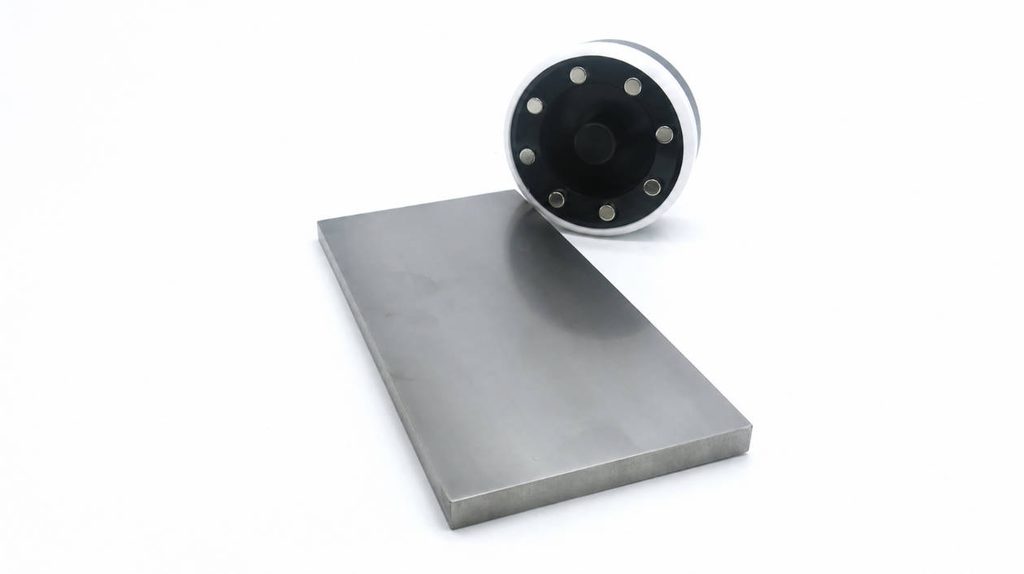
Pad printing plates, also called clichés, hold the recessed image that supplies ink to the printing pad. For procurement, the important details extend beyond the plate material: cutting, punching, backing, image preparation, and processing can all change what is included in an order.
| Supplier | Published Plate Range | A Useful Reason to Contact Them |
|---|---|---|
| Inkcups | Photosensitive materials, laser plates, and supplier-etched thick steel | Comparing in-house plate-making materials with outsourced etching |
| Deco Tech | Water- and alcohol-wash polymers, laser polymer, thin steel, and thick steel | Selecting a named material for a particular processing workflow |
| ITW Trans Tech | Polymer, laser, thin steel foil, and thick steel | Discussing image positioning, etch depth, and inspection records |
| AutoTran | Blaze and Blaze X laser materials, polymer plates, and thin steel | Evaluating plate options for changing artwork and different run requirements |
| Automark | Laser aluminum, polymer, thin steel, and thick steel | Checking backing requirements and compatibility with the ink-cup system |
| Diversified Printing | Steel, water- and alcohol-wash polymer, and Kent laser plates | Combining artwork preparation, custom sizing, and plate processing |
| Engineered Printing Solutions | Polymer, laser, thin steel, and thick steel | Ordering machine-specific clichés with hole punching |
| Teca-Print USA | Polymer through thick steel, plus graphic-to-cliché services | Choosing between material packs and finished plates |
| Printex USA | Photopolymer, laser, thin steel, and permanent steel | Sourcing replacement plates with custom dimensions and hole patterns |
| ENGYPRINT | Thick steel, thin steel, and laser-engravable aluminum | Discussing custom plate dimensions, steel etching, and overseas supply |
The discussion points above are starting points, not exclusive capabilities. Send the same drawing and supply requirements to the suppliers you shortlist.
Ten Pad Printing Plate Suppliers Worth Evaluating
Inkcups
Inkcups offers photosensitive alcohol-wash and water-wash plates alongside several laser-engravable materials. Its range also includes thick steel plates supplied with the artwork etched by Inkcups.
The company separates laser materials by the systems used to process them. That distinction matters for buyers who already own a laser: a plate described as laser-engravable is not necessarily suitable for every machine.
For outsourced work, Inkcups describes a proof-approval step before etching and shipment. Ask whether the proof identifies only the artwork or also its position on the plate. Confirm the exact material and processing service included in the quotation.
Deco Tech
Deco Tech publishes a detailed range of named cliché materials. These include Laser Pro II for laser processing, H2O Pro for water washout, ImagePro and DuraPro for alcohol washout, and thin and thick steel options.
Its product information also distinguishes plates supplied fully imaged from materials supplied for the customer’s own processing. Custom cutting and hole punching are offered.
This gives buyers a practical way to compare plate-making workflows. Instead of requesting a generic “polymer plate,” identify the proposed material by name and ask for its processing requirements. For recurring purchases, retaining that product identity helps avoid accidental substitutions between materials that look similar.
ITW Trans Tech
ITW Trans Tech supplies blank and etched plates in several materials, including thick steel, thin steel foil, polymer, and laser plates. Standard and custom sizes are available.
A notable part of its published offering is the quality report supplied with etched plates, showing etch-depth accuracy. Buyers with documented production requirements can use that as a starting point for discussing acceptance criteria.
Ask what the report measures and whether it addresses the features important to your artwork. Image location, depth, and plate dimensions are separate requirements; approving one does not automatically confirm the others.
AutoTran
AutoTran lists laser, polymer, and thin steel printing plates. Its laser range includes Blaze and Blaze X materials, which it positions for different production requirements. Its polymer selection includes red, standard green, and water-wash options.
For a shop producing several jobs with changing artwork, this range provides alternatives to discuss against the actual production schedule.
Start with the plate-making equipment you use, how often artwork changes, and the output required before a replacement is needed. Ask AutoTran to recommend a specific material and confirm whether the order covers blanks or processed plates. Avoid choosing from plate color alone.
Automark
Automark supplies laser-engravable plates, water- and alcohol-wash polymer plates, and thin and thick steel clichés. It also offers a service for customers who want to submit artwork and outsource plate production.
Its aluminum laser products illustrate an easily missed purchasing detail. The YL50 is described as an aluminum plate, while the YL50 SB includes an attached magnetic backing. The required setup depends on how the machine holds the plate and applies ink-cup pressure.
Send information about the complete plate-and-cup arrangement. Ask the supplier to confirm the plate, backing, and laser compatibility together, rather than treating them as unrelated accessories.
Diversified Printing
Diversified Printing offers steel plates, water- and alcohol-wash polymer materials, and Kent laser plates. Its steel range includes several thicknesses, and it describes cutting and punching for different machine configurations.
The company also provides artwork preparation and detailed proofs. Its plate department lists acid etching, laser engraving, and polymer plate processing.
That combination is relevant when the buyer has an artwork file but needs help turning it into a complete plate order. Confirm who is responsible for image sizing, placement, and revisions. Ask to see how those details will appear on the approval proof before processing begins.
Engineered Printing Solutions
Engineered Printing Solutions, or EPS, supplies polymer and steel clichés as well as laser plate options. Its custom development service describes plates made for the customer’s machine, image, and expected production requirements.
EPS lists hole punching as included in plate cost and offers custom punching for unusual patterns. This is worth checking when comparing a complete processed plate with a lower-priced blank from another quotation.
Include any existing plate code or drawing in the inquiry. Ask for a current recommendation tied to that product and application, rather than relying on broad life estimates across material categories.
Teca-Print USA
Teca-Print USA offers cliché materials ranging from water-wash polymer to thick steel. Its graphic-to-cliché service allows customers to supply artwork for plate production.
The company also describes cutting and punching materials for its own equipment and other manufacturers’ machines. Its material page identifies packs of ten for customers making their own plates.
Distinguish that material-pack offering from an order for finished clichés. Ask about the quantity, processing status, and mounting details in the proposed quote. A ten-piece pack of blanks and a set of ten individually imaged plates represent very different purchases.
Printex USA
Printex USA lists photopolymer, thin steel, permanent steel, and laser-engravable plates. Its plate department offers custom sizing and hole patterns for different machines.
The published plate-making process includes artwork preparation and customer proof approval before processing. For an existing production job, this makes the approval drawing an important part of the inquiry.
Provide the image location relative to the mounting holes or another defined reference. If the old plate prints correctly, preserve its specifications rather than asking for a replacement based only on length and width. Confirm how the approved version will be identified on future orders.
ENGYPRINT
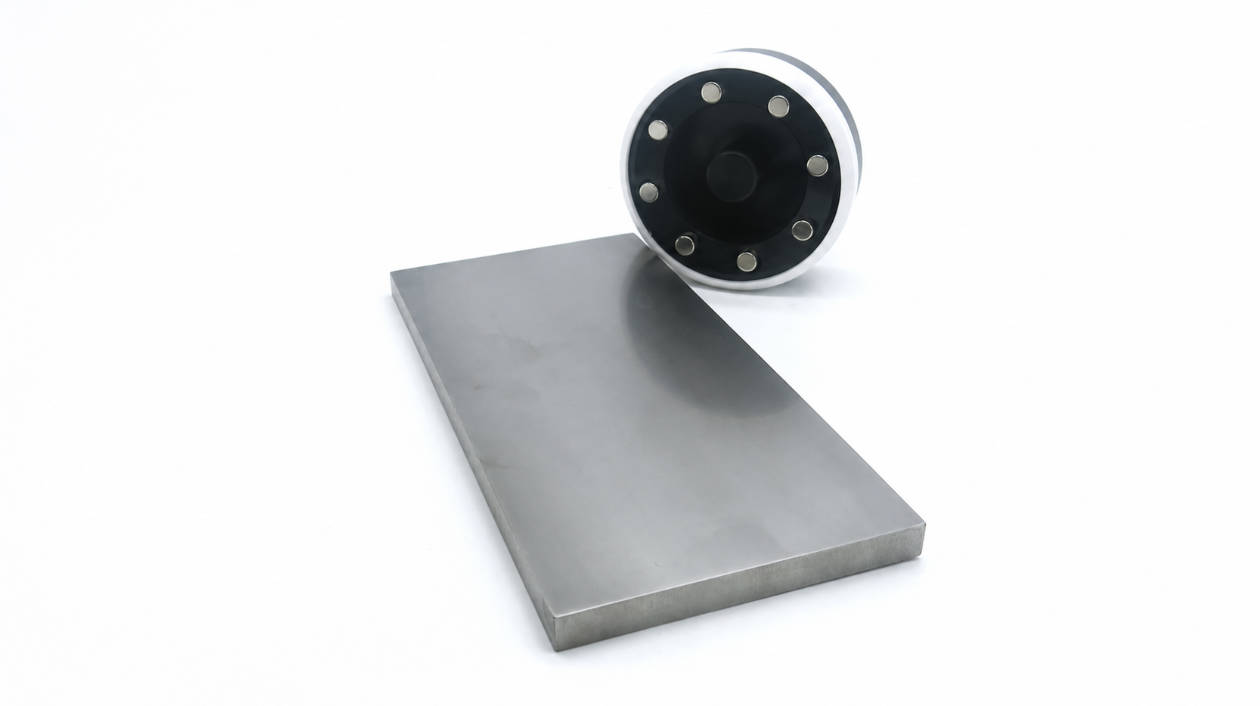
ENGYPRINT supplies thick steel, thin steel, and aluminum pad printing plates from China. Its steel product pages list custom dimensions and logo etching services, while its aluminum range includes plates with and without steel backing for fiber laser processing.
Buyers comparing thick steel pad printing plates can begin with the required machine fit, dimensions, artwork, and supply condition. The thin steel range provides additional material and thickness options for review.
For U.S. orders, agree on the plate specification, artwork approval, packaging, and shipping arrangements before purchase. Request confirmation of how repeat orders will reference the approved material and drawing.
Three Different Purchases Hidden Behind “Pad Printing Plates”
Supplier comparisons become clearer once the required deliverable is defined.
Buying Blanks for Your Own Plate-Making Room
With blank plates, your team takes responsibility for creating the image. The plate must match the exposure, washout, etching, or laser process available in-house.
Specify whether you need material cut to size, mounting holes, a coating, and a backing. “Blank” does not explain all of those details.
Ask for processing guidance for the exact material being quoted. Instructions for one red polymer plate or one laser coating should not be assumed to apply to another product.
Ordering Finished, Custom Etched Plates
A finished plate order should include an agreed description of both the plate and the image.
Before approval, check:
- Material, dimensions, and thickness.
- Hole pattern and mounting reference.
- Artwork revision and actual image size.
- Image position on the plate.
- Any agreed depth or inspection requirements.
Discuss testing separately from artwork approval. A proof can confirm the intended graphic and its position, but it cannot establish the result with your production ink, pad, and part.
Reordering a Plate That Already Works
A repeat order should preserve the successful specification.
Keep the supplier’s product code, plate drawing, approved artwork, processing information, and job reference together. If the new order changes material or manufacturing method, ask the supplier to identify the change before production.
This also helps when qualifying a second source. The replacement supplier needs a documented target, not simply a photograph of a worn plate.
Material, Backing, and Processing Must Be Considered Together
The categories used in supplier catalogs overlap. “Steel” describes a material; “laser-engravable” describes how a particular plate construction can be processed.
| Plate Type | What the Buyer Should Establish |
|---|---|
| Thick steel | Whether the machine accepts the thickness, how the plate mounts, and who will process the image |
| Thin steel | The required material, thickness, support, coating, and hole pattern |
| Photopolymer | The material code, backing, exposure procedure, and specified washout method |
| Laser-engravable aluminum | Laser compatibility and whether the machine requires separate or attached steel backing |
| Laser-engravable coated plates | The specific coating or construction and the laser systems approved for it |
For example, an aluminum plate is not magnetic by itself. If the machine relies on magnetic attraction through the plate assembly, the backing arrangement needs attention. Machines using other pressure arrangements may have different requirements.
ENGYPRINT’s aluminum plates for fiber laser engraving distinguish between steel-backed and non-steel-backed versions. That is a specification to confirm with the machine setup, rather than a choice based only on price.
Thickness deserves the same care. When evaluating thin steel pad printing plates, check the particular material and thickness offered. Do not assume every material is available in every listed thickness.
What the Supplier Should Know About the Image
A clean vector file is a starting point, but the printing requirements provide context for processing it.
Tell the supplier whether the artwork contains fine lettering, narrow lines, broad solid areas, or screened elements. Provide the intended print size rather than relying on how large the artwork appears on a monitor.
For multicolor work, identify the separations and the registration reference. If several images will share a plate, show their positions clearly.
Where a depth requirement already exists, send it with the drawing. Where it does not, ask the supplier to recommend an approach and explain what information or trial work is needed. A general depth figure copied from another application is not a substitute for a job specification.
Use a Trial Order to Qualify a Replacement Supplier
For a recurring production job, a trial can answer questions that a catalog cannot. Define what will be checked before the first plate arrives.
| Check | What to Record |
|---|---|
| Identification | Material, supplier code, artwork revision, and order reference |
| Physical fit | Dimensions, thickness, holes, backing, and installation in the holder |
| Image position | Location against the approved drawing or reference plate |
| Initial printing | Fine detail, solid areas, unwanted marks, and registration where applicable |
| Continued operation | Print consistency during an agreed trial period |
| Supporting records | Inspection report, agreed process information, and reorder reference |
Use representative production conditions and record the ink, pad, machine setup, and parts used. If several variables change at once, it becomes harder to tell whether the new plate caused an improvement or a problem.
A plate trial is also a useful time to review the condition of related pad printing consumables. Describe existing problems with the doctor ring, blade, or pad so the supplier understands the operating conditions.
Compare Cost per Job, Not Just Cost per Plate
The lowest unit price may describe a different level of preparation. Ask suppliers to separate material, cutting, punching, artwork work, processing, and delivery where necessary.
For an in-house workflow, account for your team’s preparation time and rejected plates. For an outsourced workflow, consider proof revisions, shipping, and the time required to approve a replacement.
Plate life also needs context. A durable plate may suit a recurring job with stable artwork, while frequent design changes can make fast preparation and manageable order quantities more relevant. Published impression counts are supplier estimates for particular products, not a standardized ranking across brands.
For U.S. deliveries, distinguish production turnaround from transit time. Confirm when the quoted lead time begins and whether the required material is available. For overseas purchases, clarify freight arrangements, packaging, and the procedure for reporting transit damage or specification errors.
Send One Complete RFQ to Your Shortlist
A consistent request makes quotations easier to compare.
| RFQ Detail | What to Include |
|---|---|
| Equipment | Machine manufacturer, model, plate-holder photos, and ink system |
| Plate drawing | Length, width, thickness, hole locations, and units |
| Supply condition | Blank, coated, processed, or ready for an agreed printing trial |
| Material | Existing code or preferred material, if known |
| Artwork | Vector file, actual image size, revision, and color separations |
| Positioning | Image location relative to holes or another defined datum |
| Production | Typical batch size, repeat frequency, and artwork-change frequency |
| Acceptance | Required inspection records and trial criteria |
| Delivery | Quantity, U.S. destination, and required arrival date |
If information is missing, flag it. Ask whether an existing plate, sample part, or additional drawing would allow the supplier to make a recommendation.
For an ENGYPRINT inquiry, these details support a discussion of plate supply, etching, and plate-making support and sample testing. An approved specification from the first order should then become the reference for subsequent purchases.
Frequently Asked Questions
Which companies supply pad printing plates for U.S. buyers?
Suppliers to evaluate include Inkcups, Deco Tech, ITW Trans Tech, AutoTran, Automark, Diversified Printing, EPS, Teca-Print USA, Printex USA, and ENGYPRINT. Compare their specific plate materials and processing services against your machine and job requirements.
Can I order plates from a different supplier than the machine manufacturer?
Often, yes. Several suppliers offer custom sizing and hole patterns for other machines. Confirm thickness, backing, mounting, and image position before ordering; matching length and width alone is insufficient.
Should I buy blank plates or finished clichés?
Choose blanks when your team can process the selected material consistently with the equipment available. Finished clichés allow the supplier to handle image processing. Compare the complete workflow cost, including artwork preparation, trial work, and delivery.
Are all laser pad printing plates made from aluminum?
No. Supplier ranges include aluminum and other coated or layered constructions. Each product has its own processing requirements, so verify the plate material and laser compatibility together.
Why does steel backing matter?
Some machine arrangements rely on magnetic attraction through the plate assembly. An aluminum plate may need a separate or attached steel backing for that setup. Confirm the requirements of the actual plate holder and ink-cup system.
Is a higher advertised impression count always better?
No. The figure must be considered alongside the specific material, operating conditions, and how often the artwork changes. Reliable image reproduction, manageable processing, and consistent replacements can matter more than a headline lifespan.
How can I keep repeat plate orders consistent?
Retain the approved artwork revision, plate drawing, material code, processing specification, and supplier job number. Ask the supplier to flag substitutions or manufacturing changes before making the replacement.
What should I confirm before ordering plates from overseas?
Confirm the complete plate specification, approval process, production lead time, freight arrangements, packaging, and handling of damaged or incorrect items. Distinguish the supplier’s production time from the expected delivery time to your U.S. location.