Choosing between steel and polymer pad printing plates, or clichés, is a critical decision that directly impacts your production efficiency, print quality, and overall cost. Steel plates are the marathon runners of pad printing, offering unparalleled durability for over a million impressions and superior image quality, making them ideal for high-volume, long-term production. In contrast, polymer plates are the sprinters, providing a fast, low-cost solution perfect for short runs, prototyping, and quick-turnaround jobs. Understanding the fundamental differences in their material, creation process, and performance is key to selecting the right cliché for your specific application.
Table of Contents
- What Exactly is a Pad Printing Cliche?
- Deep Dive into Steel Pad Printing Plates
- Understanding Polymer Pad Printing Plates
- Steel vs. Polymer Cliche: A Head-to-Head Comparison
- How Do You Choose the Right Pad Printing Plate for Your Project?
- The Final Verdict: Is Steel or Polymer Better?
- Frequently Asked Questions (FAQs)
What Exactly is a Pad Printing Cliche?
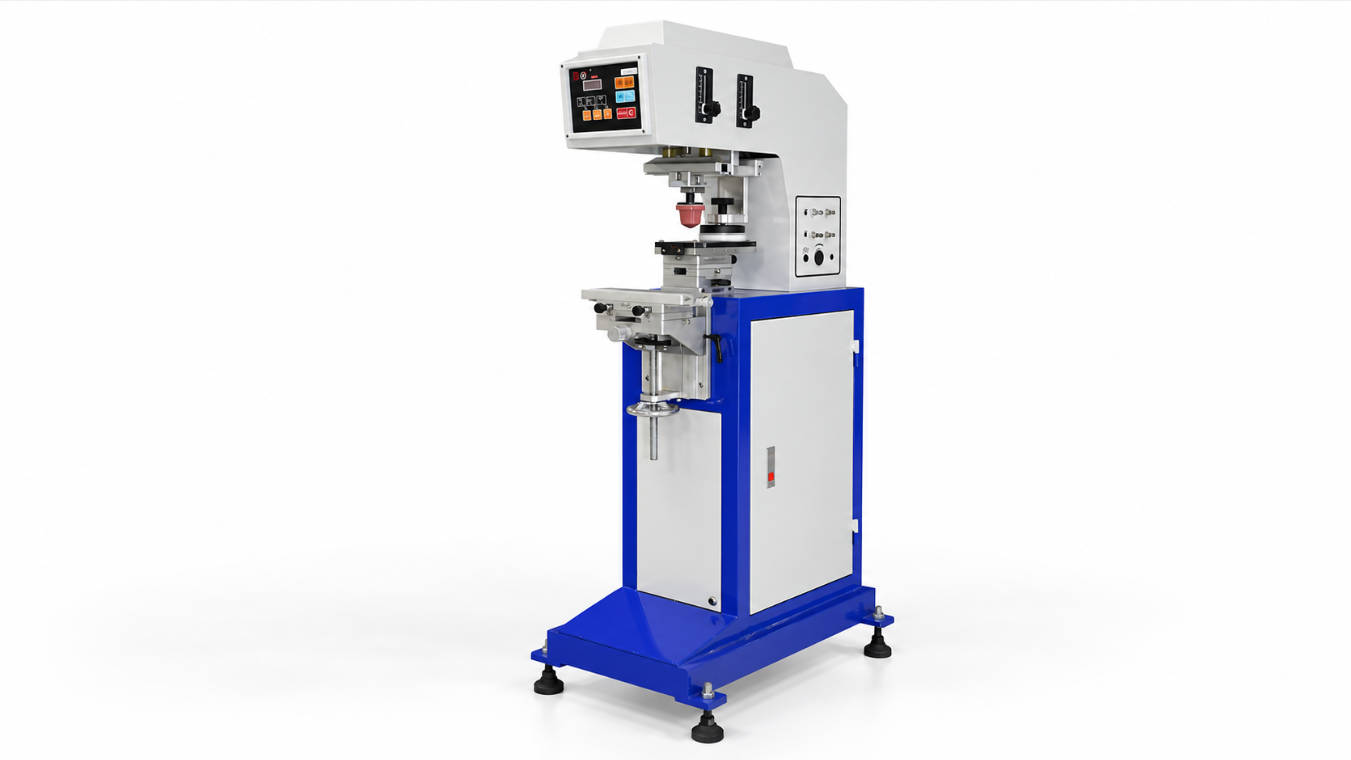
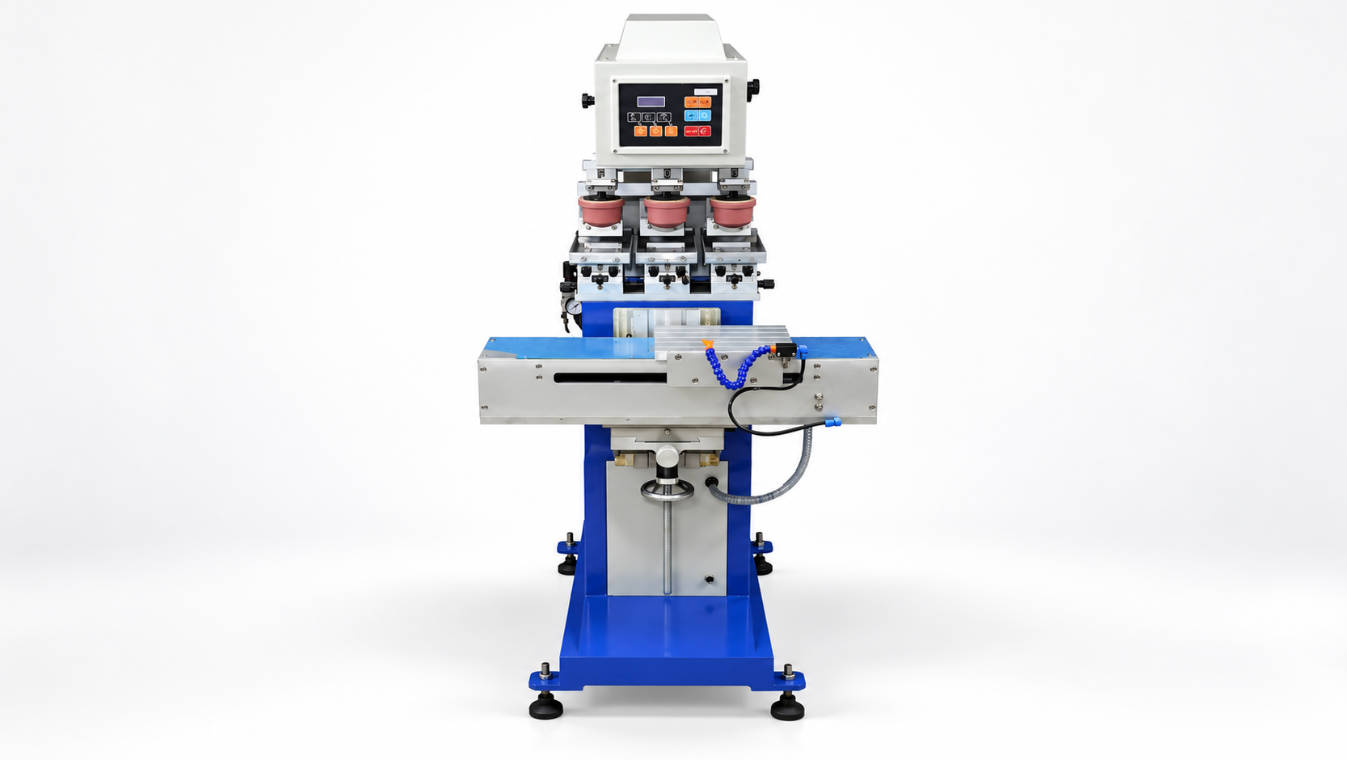
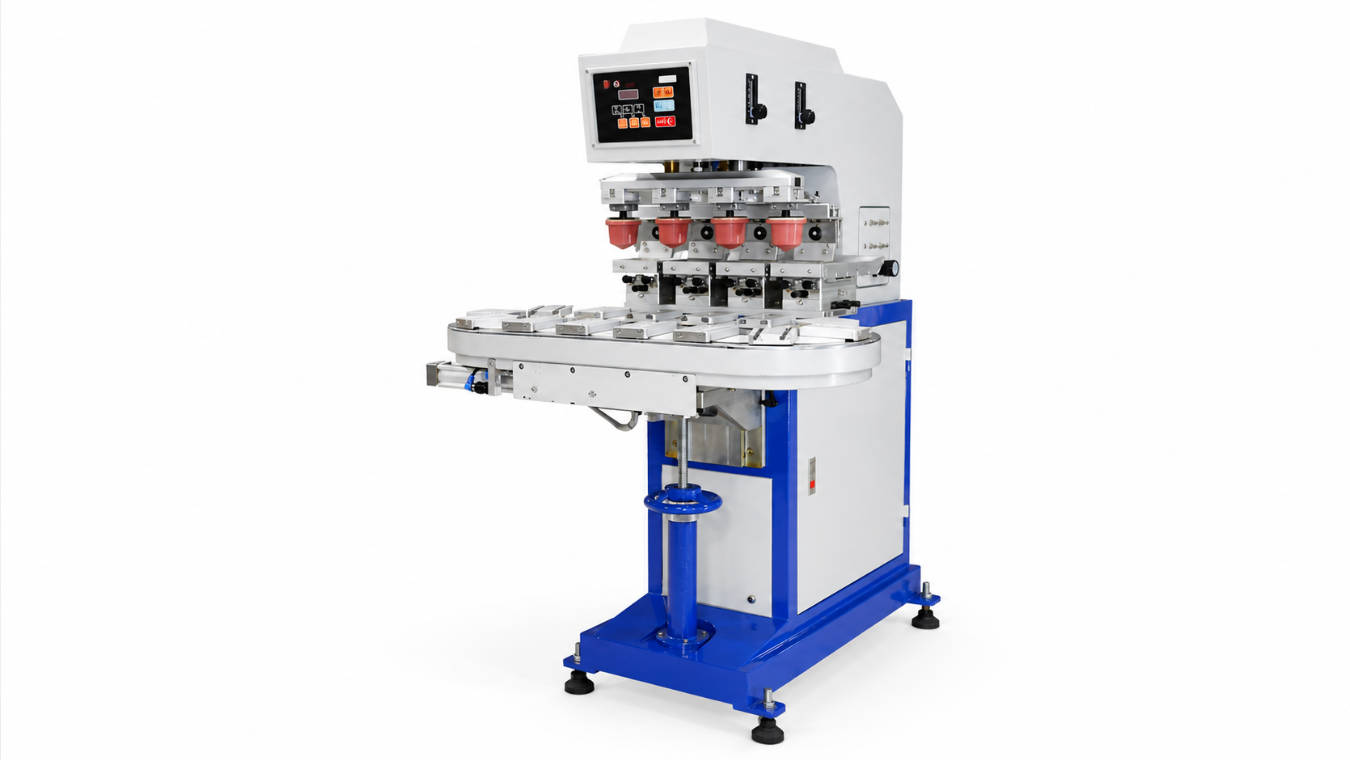
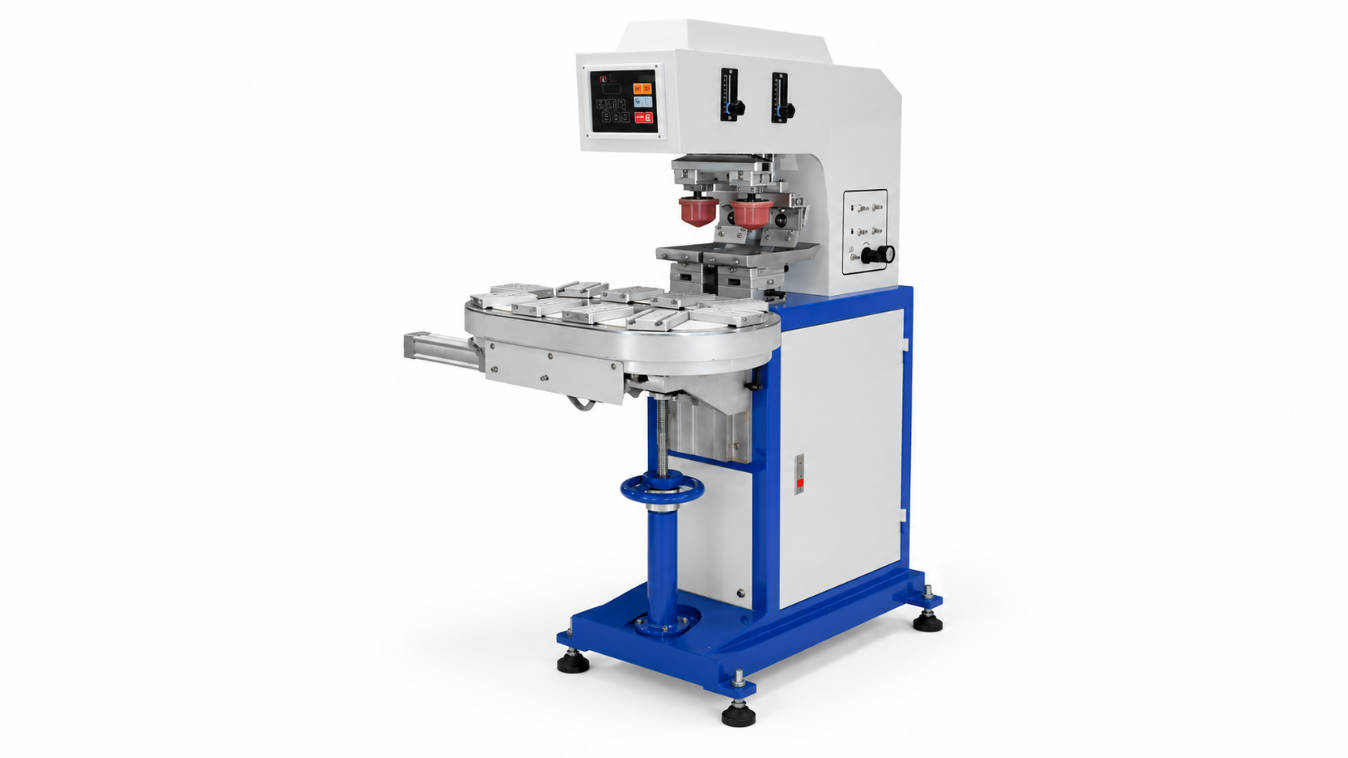
Before diving into the steel versus polymer debate, let’s establish a foundational understanding. A pad printing cliché, also commonly called a printing plate, is the master image carrier in the pad printing process. Think of it as the heart of the operation. This flat plate is etched with the artwork—be it a logo, text, or intricate design—that you intend to print. During the printing cycle, an ink cup (or an open inkwell system with a doctor blade) floods the plate with ink and then wipes the surface clean, leaving ink only within the etched depressions of the artwork.
A silicone pad then presses down onto the cliché, picking up the ink from the etched image. This ink-laden pad then moves over to the product (the substrate) and presses down again, transferring the image with precision. The quality, depth, and sharpness of the etch on the cliché directly determine the final quality of the printed image. Therefore, the plate material you choose is not just a minor detail; it’s a cornerstone of your printing success.
Deep Dive into Steel Pad Printing Plates
Steel pad printing plates are the traditional workhorses of the industry, renowned for their extreme durability and exceptional print quality. They are typically made from high-quality, hardened steel that is precision-ground and lapped to a mirror-like finish to ensure a clean wipe by the doctor blade. These plates are the go-to choice for demanding industrial applications and high-volume manufacturing environments.
How are Steel Cliches Made? (The Etching Process)
Creating a steel cliché is a more involved and specialized process compared to its polymer counterpart. The artwork is transferred to the steel plate, which has been coated with a photosensitive emulsion. After exposure to UV light through a film positive, the unexposed areas are washed away, revealing the bare steel in the shape of the desired image. The plate is then subjected to a chemical etching process, where an acid bath carefully eats away at the exposed steel to a precise depth, typically between 18 to 30 microns. Alternatively, modern technology allows for direct laser etching, where a high-powered laser ablates the steel to create the image, offering incredible precision and control over etch depth and wall angles.
What are the Advantages of Using Steel Plates?
The primary benefits of using steel clichés are directly related to their robust nature:
- Unmatched Durability: A well-maintained steel plate can last for over 1,000,000 impressions. This incredible lifespan makes it the most cost-effective option for long production runs, as the cost per impression becomes minuscule over time.
- Superior Image Resolution: Steel allows for extremely fine lines, intricate details, and high-resolution halftones (often exceeding 200 LPI – Lines Per Inch). The sharp, clean-etched walls of the image hold ink perfectly, resulting in consistently crisp and high-fidelity prints.
- Consistency and Reliability: Because steel does not wear down easily, the first print and the millionth print will be virtually identical in quality. This is crucial for applications with strict quality control standards, such as medical devices or automotive components.
- Compatibility with Abrasive Inks: Certain inks contain abrasive pigments that can quickly wear down a softer plate material. Steel plates stand up to these inks without issue, ensuring a long operational life.
Are There Any Disadvantages to Steel Cliches?
Despite their advantages, steel plates are not always the right choice. Their drawbacks include:
- Higher Upfront Cost: The initial investment for a finished steel plate is significantly higher than for a polymer plate due to the cost of the material and the complexity of the etching process.
- Longer Turnaround Time: The multi-step chemical or laser etching process takes longer to complete. If you don’t have in-house laser etching capabilities, you will need to send the plate out to a specialist, adding shipping time to your production schedule.
- Less Forgiving: The process requires a higher level of technical expertise. Mistakes in etching are costly and time-consuming to correct.
Understanding Polymer Pad Printing Plates
Photopolymer plates have become increasingly popular, especially for shops that require speed, flexibility, and lower initial costs. These plates consist of a UV-sensitive polymer material bonded to a steel or plastic backing. They offer a fast and convenient way to produce high-quality clichés in-house without the need for harsh chemicals or expensive laser equipment.
How are Polymer Cliches Created? (The Exposure Process)
Making a polymer plate is a straightforward, photo-based process. It begins by placing a film positive of the artwork on top of the raw polymer plate. The plate is then exposed to a specific wavelength of UV light. The light passes through the clear areas of the film, hardening the polymer beneath it. The dark areas of the film block the light, leaving the polymer in those areas soft and un-cured. After exposure, the plate is washed out, typically with an alcohol solution or water, which removes the unhardened polymer, revealing the etched image. The plate is then dried and post-cured under UV light to achieve its final hardness.
Why Choose a Polymer Plate? The Key Benefits
Polymer plates shine in scenarios where speed and cost-effectiveness are paramount:
- Low Upfront Cost: The raw materials and the processing equipment for polymer plates are significantly less expensive than their steel counterparts, making them highly accessible.
- Fast Turnaround: An experienced operator can create a finished polymer plate in under an hour. This speed is invaluable for prototyping, rush jobs, or situations where artwork changes frequently.
- In-House Production: The process is simple and safe enough to be brought in-house with a relatively small investment in a UV exposure unit and washout station. This gives you complete control over your plate-making schedule.
- Good for Short to Medium Runs: For production runs ranging from a few hundred to several thousand impressions, polymer plates offer an excellent balance of quality and cost.
What are the Limitations of Polymer Plates?
The convenience of polymer comes with certain trade-offs:
- Limited Lifespan: A standard polymer plate has a much shorter life, typically ranging from 10,000 to 50,000 impressions, depending on the ink type, doctor blade pressure, and overall care. They are not suitable for high-volume, continuous production.
- Susceptibility to Wear: The polymer material is softer than steel and can be worn down by the repeated scraping of the doctor blade, especially closed-cup ink rings. This can lead to a gradual degradation of print quality over the run.
- Lower Resolution for Ultra-Fine Details: While modern polymer plates offer excellent quality, they can sometimes struggle to reproduce the same level of ultra-fine detail and sharp halftone dots that a perfectly etched steel plate can achieve.
Steel vs. Polymer Cliche: A Head-to-Head Comparison
To make the decision clearer, here is a direct comparison of the key attributes of steel and polymer pad printing plates.
| Feature | Steel Cliche | Polymer Cliche |
|---|---|---|
| Lifespan (Impressions) | 1,000,000+ | 10,000 – 50,000 |
| Image Resolution | Excellent (Best for halftones & fine lines) | Very Good (Excellent for most line art & text) |
| Upfront Cost | High | Low |
| Cost Per Impression | Extremely Low (on long runs) | Low to Moderate (on short runs) |
| Turnaround Time | Slow (hours to days) | Fast (under 1 hour) |
| Creation Process | Chemical or Laser Etching | UV Exposure & Washout |
| Ideal Run Size | High-Volume (50,000+ impressions) | Low to Medium-Volume (up to 50,000) |
| Durability & Wear | Extremely high resistance to wear | Moderate resistance; susceptible to blade wear |
How Do You Choose the Right Pad Printing Plate for Your Project?
The “best” plate does not exist; only the “right” plate for your job. To make an informed decision, ask yourself the following questions:
What is Your Production Volume?
This is the most important factor. If your job requires hundreds of thousands or millions of prints of the same design, steel is the only logical choice. The durability and low cost-per-impression are unbeatable. For short runs, one-off jobs, prototypes, or jobs under 50,000 impressions, a polymer plate is far more practical and cost-effective.
What is Your Budget?
Consider both upfront and long-term costs. If your capital is limited and you need to get started quickly, the low entry cost of polymer is very attractive. If you have a long-term production contract and can amortize the initial expense, the higher upfront cost of a steel plate will pay for itself many times over through its longevity.
How Critical is Image Quality and Detail?
For most standard logos and text, a modern polymer plate will deliver excellent, crisp results. However, if your artwork involves photographic halftones, security micro-text, or extremely fine schematic lines, steel offers a higher ceiling for resolution and sharpness. The rigid, non-porous surface of etched steel holds a cleaner dot shape, which is critical for high-end graphics.
How Quickly Do You Need the Plate?
If your customer needs a sample printed by tomorrow or if artwork is subject to frequent last-minute changes, the ability to create a polymer plate in-house in under an hour is a massive competitive advantage. The longer lead time for steel plates requires more planning and is not suitable for rapid-response scenarios.
What is Your Operating Environment?
Consider the type of ink and equipment you use. If you are using highly abrasive ceramic or metallic inks, a steel plate is highly recommended to prevent premature wear. Additionally, while both plate types work with closed ink cups and open inkwells, the constant pressure and scraping action of a closed cup’s ceramic ring will wear down a polymer plate faster than a steel plate.
The Final Verdict: Is Steel or Polymer Better?
Ultimately, the debate isn’t about which plate is “better” but which plate is “fitter” for the task at hand. They are two different tools for two different types of jobs. Think of it this way: a high-volume manufacturing plant producing millions of identical bottle caps a year would be inefficient without durable steel clichés. Conversely, a promotional products company printing small batches of 500 pens with ever-changing logos would be wasting time and money by outsourcing for steel plates.
Choose a steel cliché when:
- Your production run is over 50,000 impressions.
- Absolute print consistency over a long period is mandatory.
- The artwork contains extremely fine, high-resolution detail.
- You are using abrasive inks.
Choose a polymer cliché when:
- Your production run is short to medium in length.
- You need a fast turnaround time and flexibility for artwork changes.
- Upfront cost is a primary concern.
- You are doing prototyping or one-off custom jobs.
By analyzing your specific project requirements against the strengths and weaknesses of each material, you can confidently select the right pad printing cliché that optimizes your quality, speed, and budget.
Frequently Asked Questions (FAQs)
1. Can I use any ink with any plate type?
Generally, yes. Most standard pad printing inks are compatible with both steel and polymer plates. However, highly abrasive inks (e.g., those with metallic or ceramic pigments) will cause rapid wear on polymer plates, making steel a much better choice in those cases.
2. What is “etch depth” and why does it matter?
Etch depth is the depth of the artwork recessed into the plate, typically measured in microns. It determines how much ink the cliché holds and transfers. A deeper etch is needed for printing on textured surfaces or with highly opaque inks, while a shallower etch is better for fine details and fast-curing inks. Both steel and polymer plates can be created with varying etch depths to suit the application.
3. How should I store my pad printing clichés?
Proper storage is crucial for extending plate life. Both types should be thoroughly cleaned of all ink residue after use. They should be stored in a dry, climate-controlled environment, protected from scratches. Steel plates should be lightly oiled to prevent rust, and polymer plates should be stored away from direct UV light, which can cause them to become brittle over time.
pad printing plates, steel vs polymer plates, choosing pad printing cliche, photopolymer cliche, steel cliche, pad printing process, cliche etching, what is a pad printing plate, pad printing plate comparison, how to choose a cliche