Can you print on silicone with a pad printing machine, and how do you make the ink stay? Yes — pad printing is one of the few methods that can decorate irregular, soft silicone parts, but the ink will not adhere on its own because silicone has very low surface energy; you must raise that surface energy first with plasma, corona, flame, or a primer, and pair it with a silicone-compatible ink and the right pad printing machine setup.
Silicone is everywhere in modern products: keypads, seals, gaskets, medical components, watch straps, and promotional items. For manufacturers in Germany, the UK, and Australia supplying these parts, marking logos, part numbers, and symbols on silicone is a recurring production question. This guide explains why silicone is difficult to print, how surface treatment solves ink adhesion, and what to look for when selecting a pad printing machine for silicone products.
Why Silicone Is Difficult to Print
Silicone rubber is chemically inert and non-polar, which gives it excellent heat resistance and flexibility but also a very low surface energy — typically in the range of 20–30 mN/m. Most printing inks need a substrate surface energy above roughly 38 mN/m to wet, spread, and form a mechanical/chemical bond. Because untreated silicone sits well below that threshold, ink tends to bead up, smear, or peel off after curing, which is the single most common failure in silicone product decoration.
This is not a machine defect and not a “wrong printer” problem. It is a material property. The pad printing process can transfer ink onto silicone cleanly; the challenge is keeping it there. That is why surface treatment and ink chemistry matter more than the press itself.
How Pad Printing Works on Silicone Products
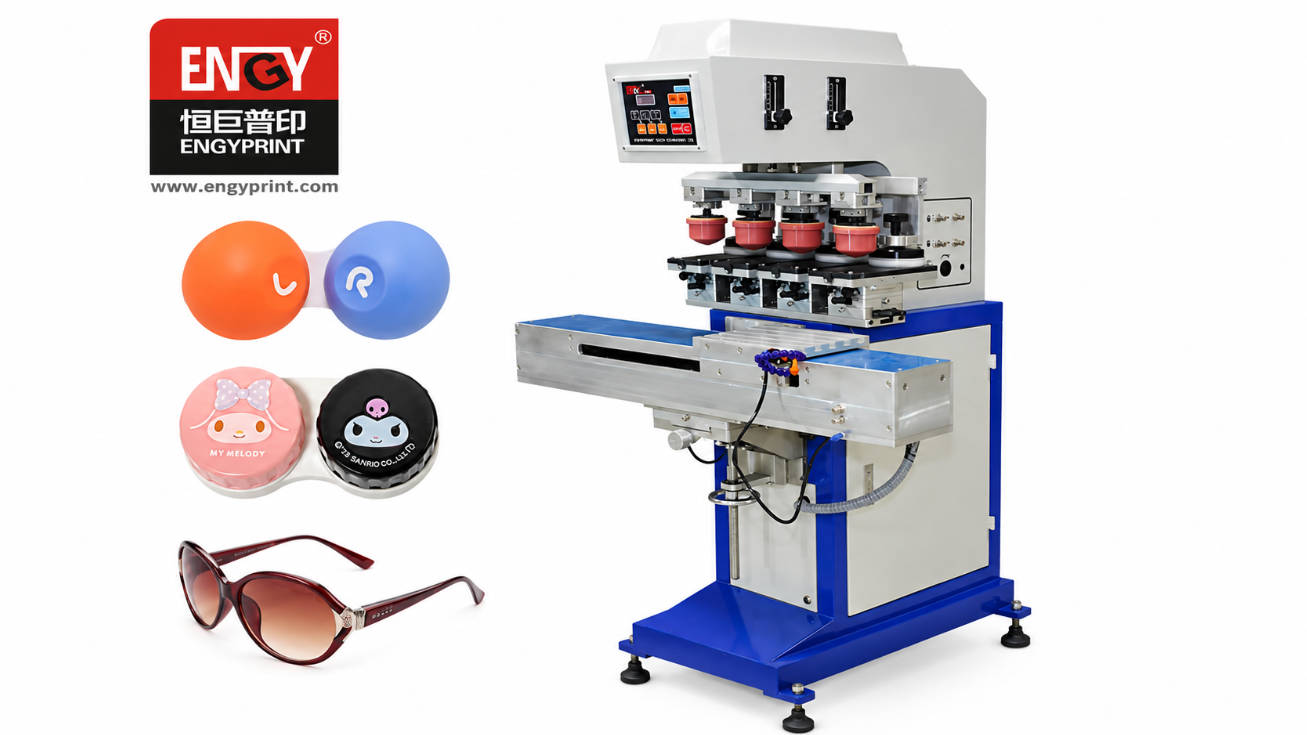
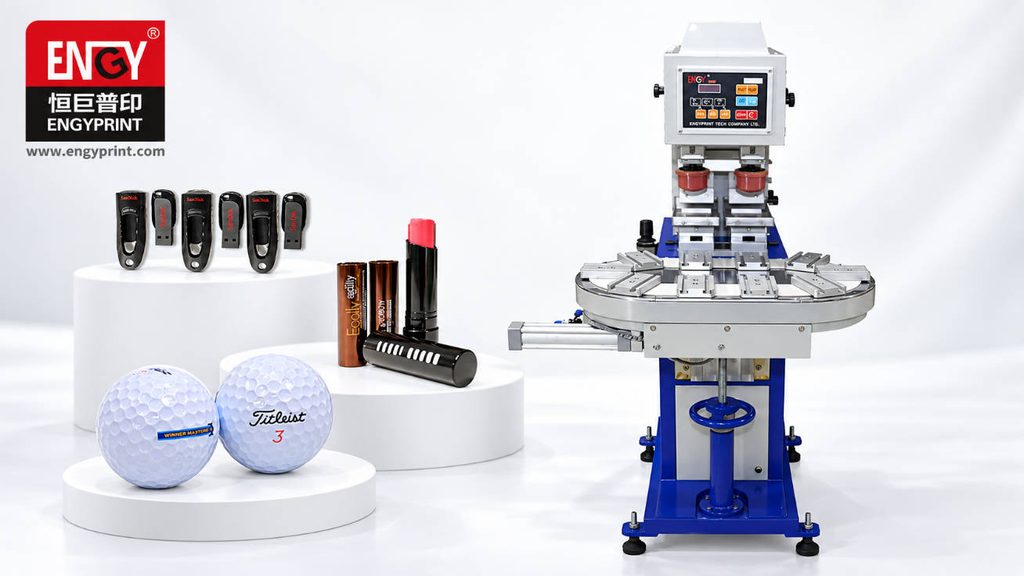
Pad printing uses a silicone rubber pad to pick up an image from a etched printing plate (cliché) and transfer it onto the product. The soft pad conforms to curved, recessed, and irregular surfaces that flat screens or direct printing cannot reach. For silicone products specifically, the silicone pad transfers ink without scratching or deforming the soft substrate, which is why pad printing is widely used for silicone keypads, seals, and molded components rather than rigid-panel methods.
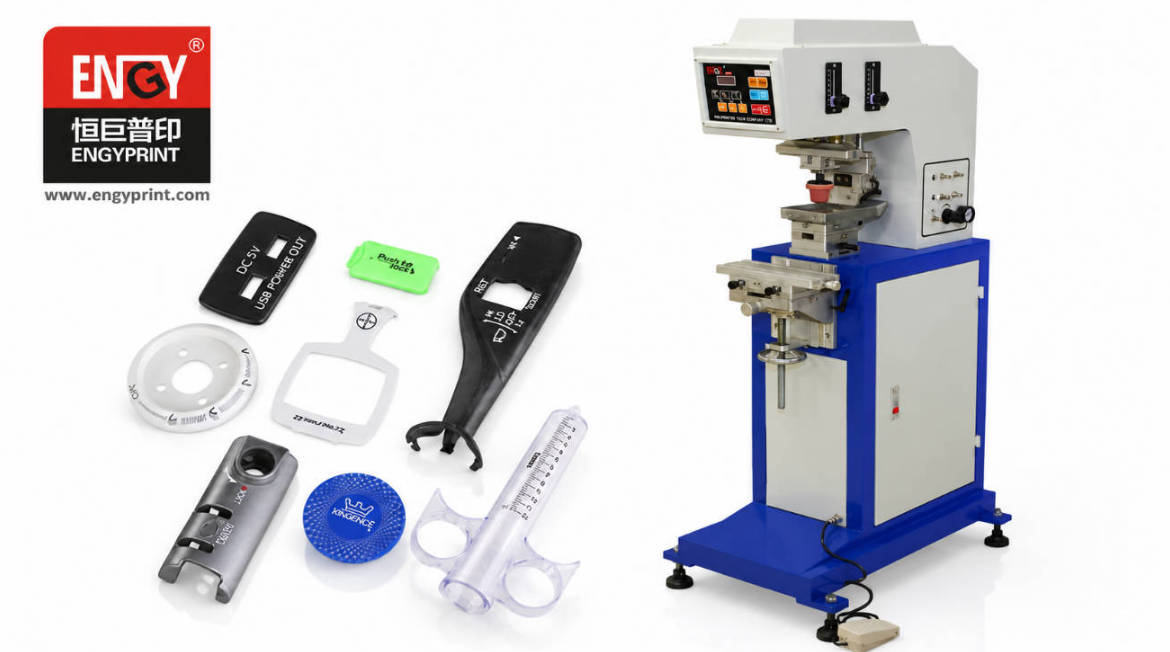
A closed ink cup system is usually preferred for silicone work because it keeps the ink covered, slows solvent evaporation, and maintains ink viscosity during long production runs. Open-tray systems can work but require more frequent ink adjustment. For background on machine types, see our guide on why pad printing ink does not stick and how system choice affects consistency.
Surface Treatment Methods to Improve Ink Adhesion
Surface treatment changes the silicone surface at a microscopic level — increasing polarity and creating anchor points — without altering the bulk material’s softness. The four common methods are:
– Plasma treatment: Uses ionized gas to oxidize the surface. It is clean, precise, and well suited to medical and high-value silicone parts. Treatment can raise surface energy above 50 mN/m and the effect is durable for hours to days before the surface relaxes. – Corona treatment: Applies a high-voltage discharge in air. Common for films and some molded parts; effective but less penetrative than plasma for complex 3D silicone geometry. – Flame treatment: Passes the part briefly through an oxidizing flame. Inexpensive and fast for simple shapes, but harder to control on thin or heat-sensitive silicone. – Primer / adhesion promoter: A chemical coating applied before printing. Reliable and simple, though it adds a process step and must be compatible with the end-use (especially for food-contact or medical silicone).
Plasma treatment is generally the most consistent option for silicone because it delivers a strong, controllable surface-energy increase without leaving a chemical residue, which matters for European and Australian buyers with strict material-compliance requirements.
| Method | Typical Surface Energy After | Best For | Notes / Limitations |
|---|---|---|---|
| Plasma | 50+ mN/m | Medical, precision, 3D parts | Clean, no residue; equipment cost |
| Corona | 40–50 mN/m | Flat/simple molded parts | Less effective on complex shapes |
| Flame | 40–45 mN/m | High-volume simple shapes | Heat control needed |
| Primer | 38–45 mN/m | Low-volume, mixed parts | Extra step; verify end-use compatibility |
Choosing the Right Pad Printing Machine for Silicone Products
The machine itself is less critical than treatment and ink, but the right configuration reduces defects and rework. Consider:
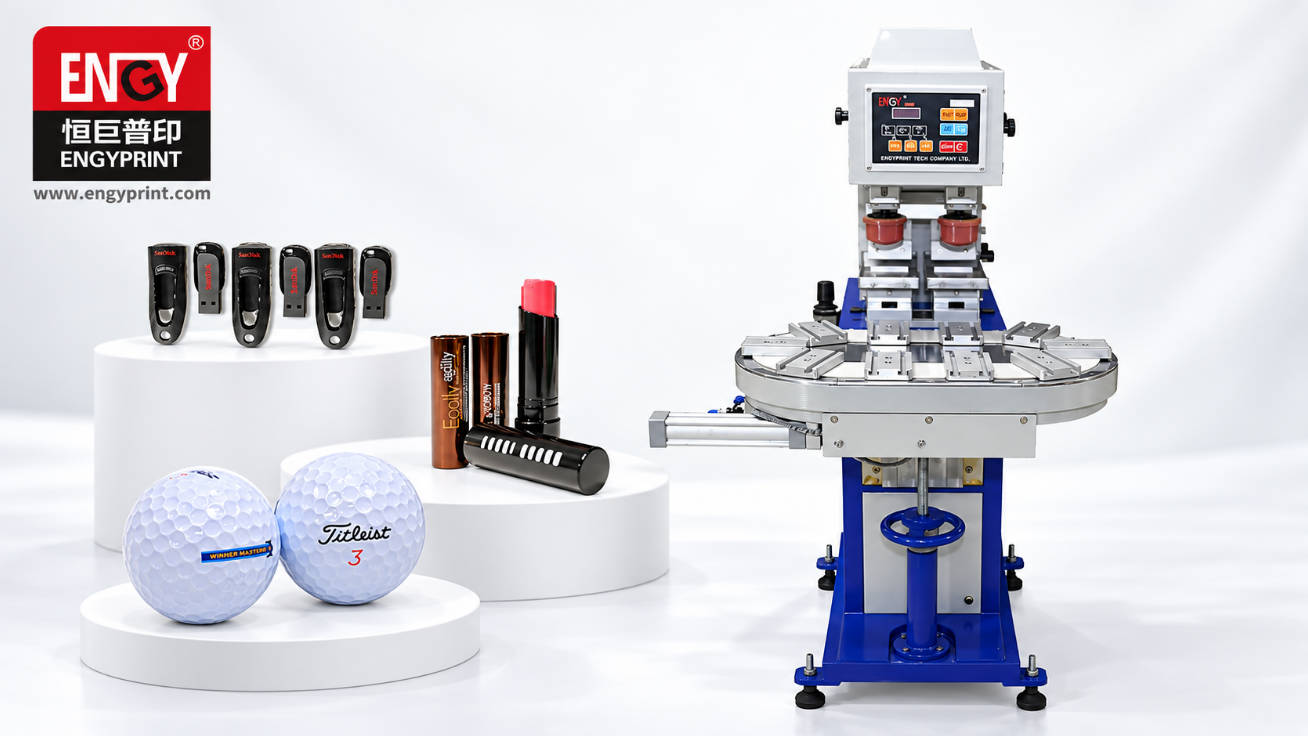
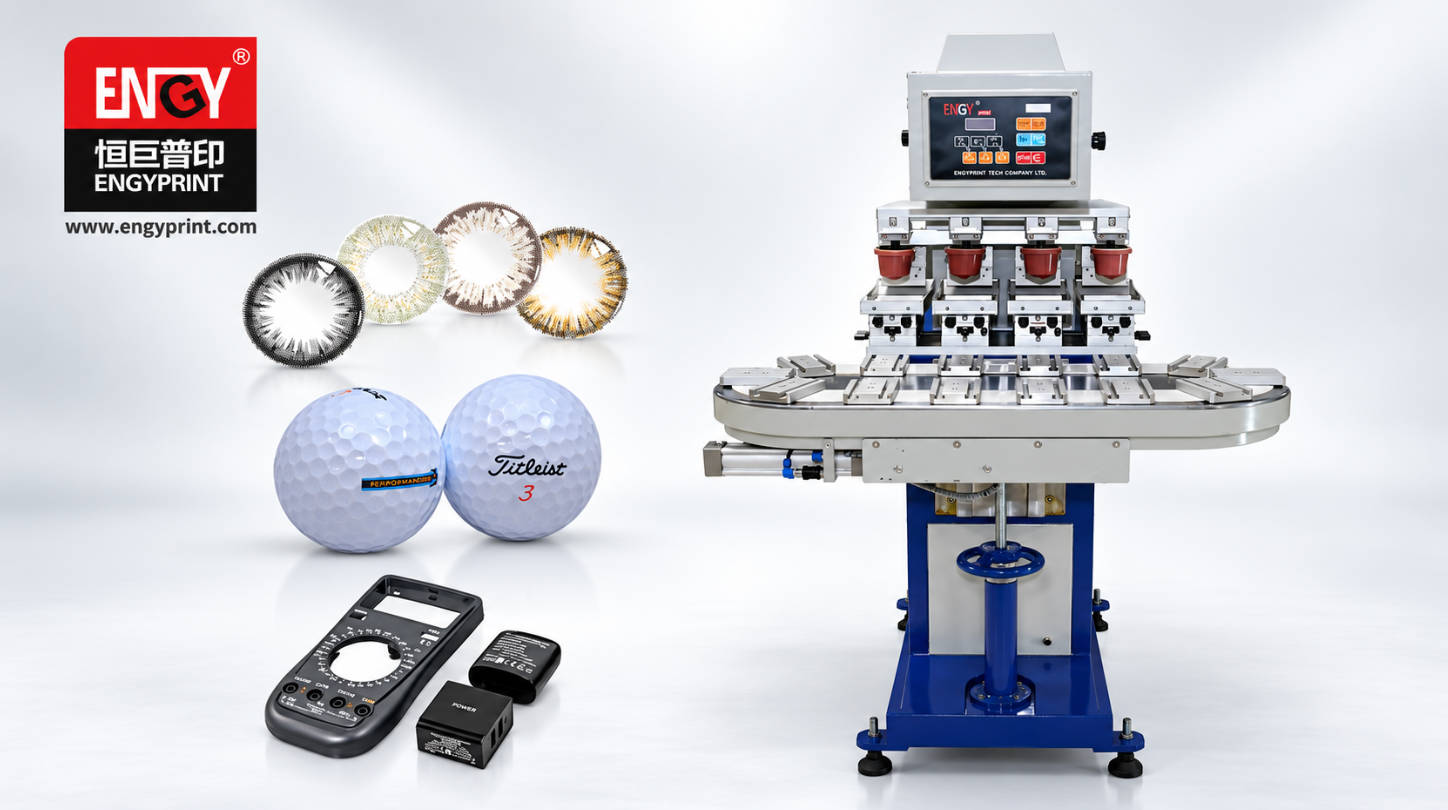
– Ink cup system: A sealed (closed) ink cup is recommended for silicone inks, which are sensitive to solvent loss. – Fixtures: Silicone parts are soft and can shift. Dedicated fixtures or vacuum holding keep the part stable during print. For unusual shapes, a custom pad printing machine with purpose-built tooling is often the most reliable route. – Color count: Single-color logos are simplest; multi-color designs need accurate registration and may need a rotary or shuttle format. – Automation level: Manual benches suit sampling and low volume; semi-automatic or automatic lines with conveyors suit European and Australian contract manufacturers running thousands of silicone parts per shift.
If your product is a molded polymer part rather than pure silicone, our pad printing machine for plastic products guide covers overlapping selection logic.
Ink Selection for Silicone
Not every pad printing ink bonds to silicone. Two-part silicone inks (RTV-type) are formulated to cross-link with the substrate and are the usual choice for flexible, wash-resistant marks. Solvent-based inks can work on treated surfaces but may crack when the silicone stretches. The safest result comes from matching a silicone-compatible ink to the specific surface treatment used, then validating adhesion with a simple tape or stretch test before full production.
For a fuller comparison of ink families and when each is appropriate, see our breakdown of pad printing ink types including solvent-based, UV-curable, and silicone inks.
Silicone Pad Selection
The transfer pad is silicone too, and its hardness and shape affect coverage on soft parts. A pad that is too hard can bottom out on a compliant silicone surface; one that is too soft may distort. For silicone products, a medium-hardness pad with the correct profile for the part’s curvature usually gives the cleanest transfer and fewest voids. Our detailed guide on choosing the right silicone pad for pad printing explains hardness, size, and shape selection.
Common Mistakes in Silicone Pad Printing
– Skipping surface treatment: Printing directly on untreated silicone almost always fails — the ink will not stick regardless of machine quality. – Wrong ink family: Using a standard plastic ink on silicone leads to cracking or peeling. – Pad mismatch: A pad too hard for a soft part leaves incomplete prints. – Fixture slip: Unstable silicone parts cause registration drift and repeats. – No adhesion check: Running a full batch before a tape/stretch test risks scrapping the lot.
How to Choose a Supplier and What to Verify
When sourcing a pad printing machine for silicone products, verify that the supplier can support the full process, not just the press:
– Custom tooling: Can they build fixtures for your specific silicone geometry? A custom pad printing machine often pays for itself by eliminating handling defects. – Process proof: Ask for a printed sample on your actual material, treated and inked, with an adhesion test result. – Ink and treatment guidance: A capable partner advises on plasma/corona/primer and compatible inks for your part and market (including EU REACH and Australian compliance considerations). – Spare parts and support: Confirm pad, ink cup ring, and cliché availability for ongoing production.
European and Australian buyers in particular should confirm documentation and material-compliance support before ordering, since silicone parts frequently enter medical, food-contact, or automotive supply chains.
FAQ
Can you pad print directly on silicone without surface treatment? No. Untreated silicone has surface energy around 20–30 mN/m, below what inks need to bond. Without plasma, corona, flame, or primer, the print will bead, smear, or peel.
What is the best ink for silicone printing? Two-part silicone (RTV) inks are the most common choice because they cross-link with the substrate and stay flexible. The best choice depends on the surface treatment used and the part’s end use.
Does plasma treatment wear off? The activated surface gradually relaxes over time — commonly within hours to a few days — so printing should follow treatment promptly, or the parts should be stored and printed within the treatment window.
Is pad printing better than screen printing for silicone products? For irregular, curved, or recessed silicone parts, pad printing usually wins because the soft pad conforms to the shape. Screen printing suits flat silicone sheets. Our comparison of pad printing versus screen printing covers this in detail.
How do I test if the ink will stick to my silicone part? A tape test (press and pull adhesive tape over the print) and a stretch test (flex the part to check for cracking) are simple field checks. For production, confirm with your supplier using your actual treated material.
Can one pad printing machine handle both silicone and plastic products? Often yes, with the right pads, inks, and fixtures. The machine is largely shared; the difference is surface treatment and ink chemistry per material. A plastic-products machine setup can usually be adapted for silicone with adjusted tooling.
Conclusion
Pad printing silicone products is reliable once you respect the material: treat the surface to raise energy, choose a silicone-compatible ink, use a correctly profiled pad and stable fixtures, and select a machine configuration — typically a closed ink cup system — that suits your volume. For European and Australian silicone product manufacturers, validating the full process with a treated, inked sample is the most practical way to de-risk production.
If you are evaluating a pad printing machine for silicone products and need fixtures, surface-treatment advice, or a printed sample on your material, contact our engineering team to discuss your part geometry and volume.