The price of a pad printing machine can vary significantly, ranging from a few hundred to tens of thousands of dollars, primarily influenced by its automation level, machine size and complexity, number of colors it can print, brand reputation, and the inclusion of advanced features like vision systems or custom tooling. Understanding these core factors is crucial for businesses looking to invest in this versatile printing technology, ensuring they choose a machine that meets their production needs without overspending or under-equipping.
Understanding the Investment: What Drives Pad Printing Machine Costs?
Pad printing is a highly adaptable printing process used for decorating three-dimensional objects and delicate surfaces where other printing methods fall short. Its unique ability to transfer an image from a two-dimensional plate (cliché) to a three-dimensional object via a silicone pad makes it indispensable in various industries, from medical devices and automotive parts to promotional items and electronics. However, when businesses consider acquiring this essential equipment, one of the first questions that arises is: “What determines the pad printing machine price?” The cost isn’t a single figure but a spectrum, reflecting a multitude of engineering, technological, and market-driven elements. This comprehensive guide will dissect the key factors that influence the price tag of a pad printing machine, helping you make an informed investment decision tailored to your specific operational requirements and budget.
What is Pad Printing and Why is it Valuable?
Pad printing is an indirect gravure printing process. It involves etching an image onto a plate, filling the etched area with ink, and then transferring that ink via a soft silicone pad to a substrate. This method excels at printing on irregular, curved, or textured surfaces where traditional flatbed printing is impractical. Its value lies in its precision, versatility, and ability to handle complex geometries and delicate materials without distortion. Industries benefit from its application in printing logos, serial numbers, product information, and decorative elements on items that range from golf balls and medical syringes to automotive dashboard components and computer keys. The unique capability to conform to challenging surfaces is a primary driver of its widespread adoption and, consequently, a factor in the specialized engineering required for the machines themselves.
Core Technical Factors Influencing Pad Printer Cost
The fundamental design and operational capabilities of a pad printing machine are paramount in determining its price. These technical specifications dictate not only the machine’s performance but also the complexity of its manufacturing and the quality of its components. From the number of colors it can handle to its overall size and build, each technical aspect contributes significantly to the final investment required.
Number of Colors: Single vs. Multi-Color Pad Printers
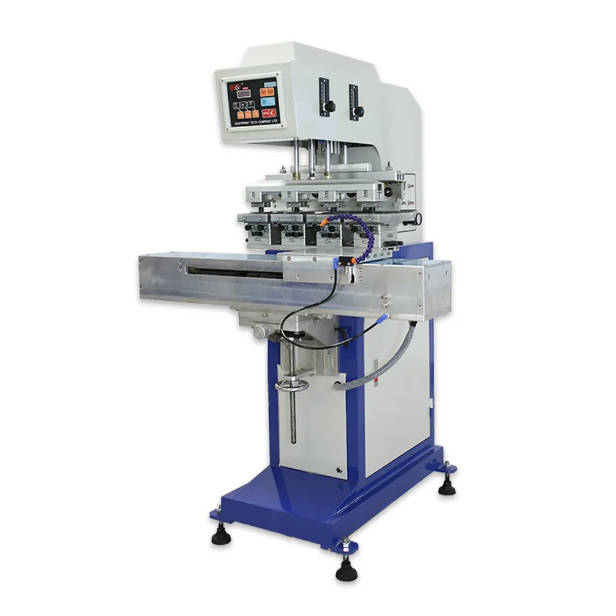
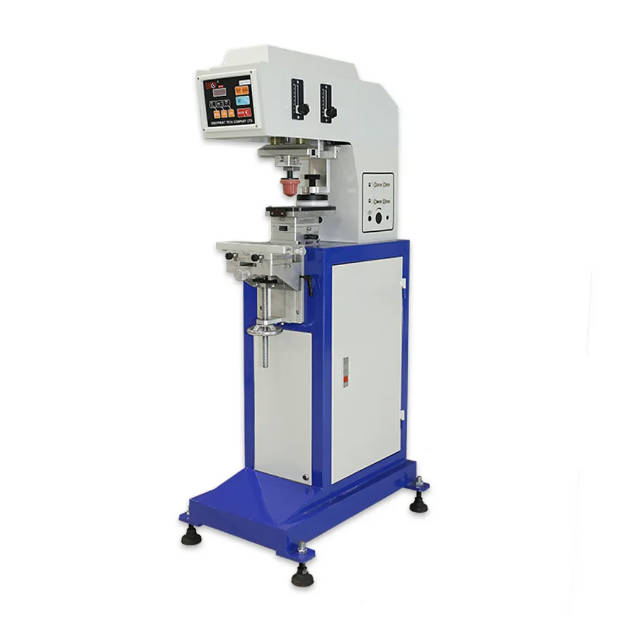
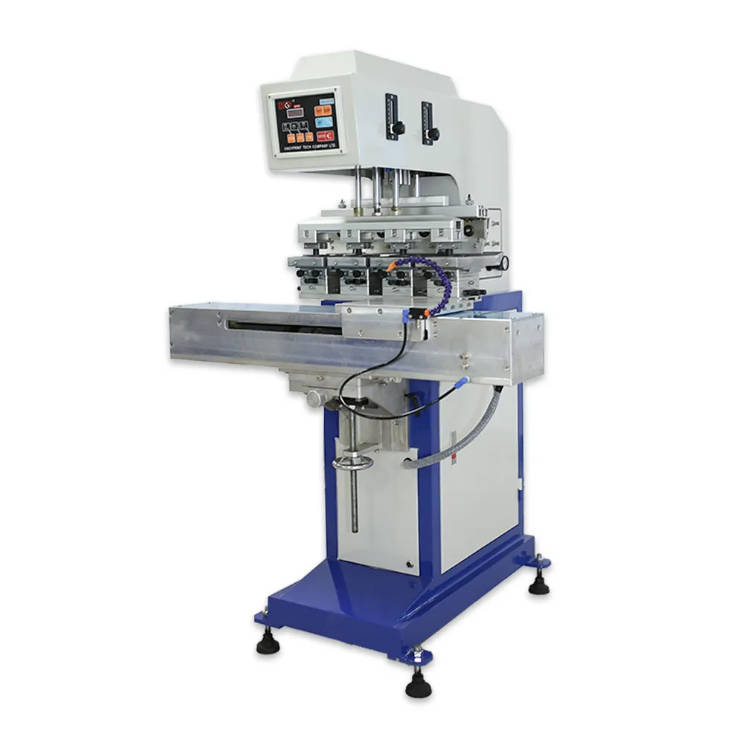
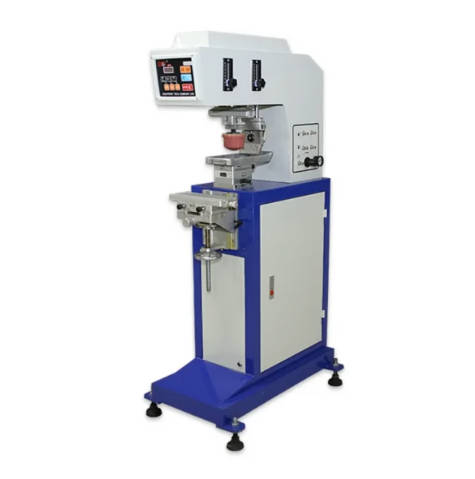
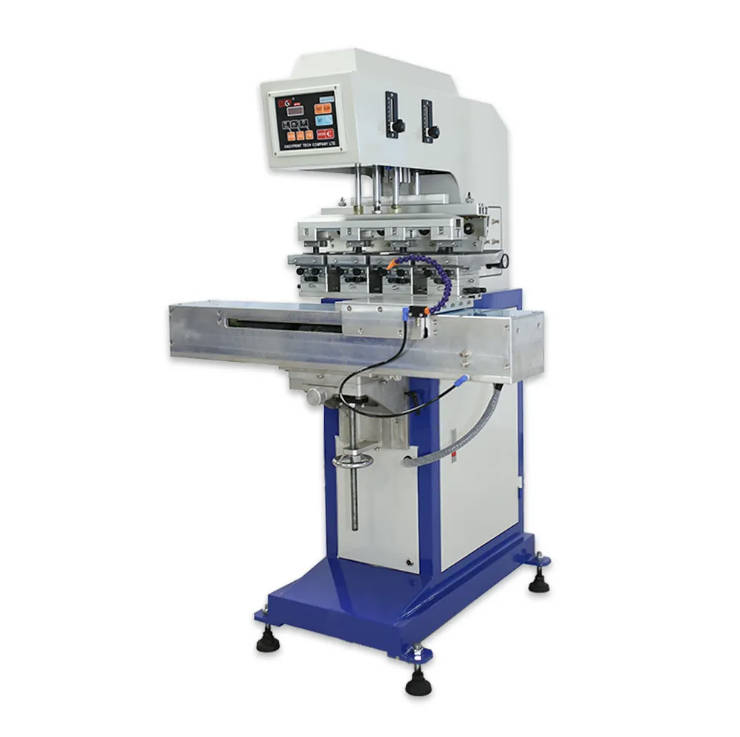
One of the most significant cost differentiators is the number of colors a machine can print in a single cycle. A single-color pad printer is typically the most economical option, designed for straightforward applications where only one color is needed. These machines are simpler in design, requiring fewer print heads, ink cups, and registration mechanisms. Conversely, multi-color pad printing machines—capable of printing two, four, six, or even eight colors—are substantially more expensive. Each additional color station necessitates extra print heads, ink cups, clichés, pads, and, critically, a more sophisticated registration system to ensure perfect alignment of each color layer. The precision required for multi-color registration adds complexity to the engineering and manufacturing, directly impacting the machine’s price. For example, a 4-color pad printer will be significantly more complex and costly than a 1-color model due to the need for precise indexing and synchronization between printing stations.
Automation Level: Manual, Semi-Automatic, and Fully Automatic Systems
The degree of automation profoundly impacts the pad printing machine price.
| Automation Level | Description | Typical Applications | Cost Implication |
|---|---|---|---|
| Manual | Operator loads/unloads parts, initiates print cycle, and cleans. Simplest design. | Low-volume production, prototyping, hobbyists, educational. | Lowest Cost |
| Semi-Automatic | Operator loads/unloads parts. Machine performs print cycle automatically. May include some automated features like pad cleaning. | Medium-volume production, varied product lines, startup businesses. | Mid-Range Cost |
| Fully Automatic | Machine handles part loading, printing, unloading, and often post-processing (e.g., curing). Requires minimal operator intervention. Integration with conveyors, robotics. | High-volume production, consistent product lines, industrial manufacturing. | Highest Cost |
Manual pad printers are the most affordable, requiring an operator to perform all actions, including placing the substrate, initiating the print, and removing the printed item. These are ideal for low-volume production, prototyping, or educational purposes. Semi-automatic machines automate the printing cycle itself, but an operator is still needed to load and unload parts. This strikes a balance between cost and efficiency, suitable for medium-volume production. Fully automatic pad printing systems represent the highest level of investment. These machines are integrated into production lines, often featuring robotic arms, vibratory feeders, and conveyor belts for continuous, high-volume operation with minimal human intervention. They offer unparalleled speed and consistency but come with a significantly higher price tag due to their complex control systems, integrated peripherals, and advanced mechanics. The added engineering for robotics, sensors, programmable logic controllers (PLCs), and safety features escalates the overall cost.
Machine Size and Build Quality: Industrial vs. Desktop Models
The physical size and robust construction of a pad printing machine are direct indicators of its capacity and durability, influencing its price. Smaller, lighter desktop or benchtop models are generally less expensive. They are designed for smaller print areas and lower production volumes, using fewer materials and less powerful components. In contrast, large industrial-grade pad printers are built for demanding, continuous operation. They feature heavier-duty frames, more powerful pneumatic or electric drives, larger print areas, and often accommodate bigger pads and clichés. The use of premium, durable materials like heavy-gauge steel for the frame, high-quality bearings, and precision-machined components ensures stability, longevity, and consistent print quality under strenuous conditions. This superior build quality, necessary for industrial environments, naturally translates to a higher price. Furthermore, the capacity for larger print areas or the ability to print on larger, heavier substrates necessitates a more robust machine architecture, further driving up the cost.
Number of Ink Cups and Pad Holders
While related to the number of colors, the individual components like ink cups and pad holders also contribute to the cost. Each color station requires its own ink cup (sealed or open tray system) and a corresponding pad holder to secure the silicone pad. Multi-color machines inherently have more of these components. Advanced machines might also feature interchangeable ink cups for quick color changes or specialized pad holders for unique pad shapes, adding to their overall value and price. The type of ink cup—open inkwell versus sealed ink cup system—also plays a role. Sealed ink cups are more common today due to their efficiency, ink saving, and reduced emissions, but their initial cost can be slightly higher than traditional open inkwells.
Advanced Features and Customization: Cost Drivers
Beyond the core technical specifications, a range of advanced features and customization options can significantly inflate the price of a pad printing machine. These enhancements are often critical for specific applications, high-precision requirements, or integration into complex manufacturing workflows.
Shuttle Systems and Rotary Tables for Increased Throughput
To maximize production efficiency and throughput, many advanced pad printers incorporate material handling systems like shuttle tables or rotary indexing tables.
| System Type | Description | Benefits | Cost Implication |
|---|---|---|---|
| Shuttle Table | Platform that moves parts in and out of the print area. Can have multiple fixtures. | Allows loading/unloading while another part is printing, increasing speed. | Adds Moderate Cost |
| Rotary Table (Indexing) | Circular table with multiple stations that rotates parts through various processes (loading, printing, curing, unloading). | Highest throughput, ideal for multi-process automation. | Adds Significant Cost |
A shuttle table typically moves a fixture with parts into and out of the printing zone, allowing an operator to load new parts while others are being printed. Rotary tables, particularly common in multi-color and automated systems, index parts through multiple stations for loading, printing, and sometimes curing or unloading. These systems add mechanical complexity, requiring precise indexing mechanisms, servo motors, and advanced control electronics, all of which contribute to a higher price point. Their value lies in dramatically increasing parts per hour (PPH) and reducing cycle times, making them a worthwhile investment for high-volume operations.
Vision Systems and Quality Control Integration
For applications demanding extreme precision and stringent quality control, pad printing machines can be equipped with integrated vision systems. These systems use cameras and software to automatically detect and correct misaligned parts, inspect print quality, verify print presence, and even reject defective items. Such integration requires sophisticated optical hardware, powerful image processing software, and complex programming to interface with the machine’s control system. The ability to minimize human error, ensure consistent quality, and reduce scrap rates makes vision systems invaluable in industries like medical device manufacturing or electronics. However, the advanced technology and integration effort involved significantly increase the machine’s overall cost.
Specialized Curing Systems (UV, IR, or Hot Air)
After printing, the ink often needs to be cured to ensure durability and adhesion. While some inks air-dry, many applications require accelerated curing. Integrating UV (ultraviolet), IR (infrared), or hot air curing systems directly into the pad printing machine or an adjacent module adds to the cost. UV curing systems use UV lamps to instantly cure UV-sensitive inks, offering fast production speeds and strong adhesion. IR and hot air systems are used for solvent-based inks, evaporating solvents and speeding up the drying process. The inclusion of these curing technologies—each with its own power supply, controls, and safety features—increases the machine’s complexity and price. The choice of curing system depends on the ink type and substrate, further tailoring the machine to specific industrial needs.
Custom Tooling and Fixtures
Pad printing often involves printing on uniquely shaped objects, necessitating custom tooling and fixtures to hold the part securely and consistently during the printing process. While not part of the machine’s base price, the cost of designing and manufacturing these custom jigs can be substantial. Complex parts may require multi-axis fixtures or vacuum jigs to ensure perfect alignment and stability. This customization, while essential for many applications, adds a significant hidden cost that buyers must account for when budgeting for a complete pad printing solution. The more intricate or unique the product, the more specialized and expensive the tooling will be.
Control Systems and Software
The sophistication of a pad printing machine’s control system and its accompanying software directly impacts its price. Basic machines might use simple push-button controls, while advanced models feature programmable logic controllers (PLCs), touch-screen human-machine interfaces (HMIs), and proprietary software for precise control over print parameters (pad delay, print speed, pressure, etc.), job storage, diagnostics, and even remote monitoring. More advanced software allows for integration with factory automation systems (MES/SCADA), data logging, and statistical process control. These sophisticated control packages offer greater flexibility, repeatability, and diagnostic capabilities but come with a higher development and implementation cost.
Brand Reputation and After-Sales Support
Just like with any significant industrial equipment, the manufacturer’s brand reputation and the quality of their after-sales support significantly influence the pad printing machine price. Investing in a pad printer is not just about the hardware; it’s about the long-term partnership and reliability.
Established Manufacturers vs. Emerging Brands
Well-established manufacturers with a long history in the pad printing industry, such as Teca-Print, Tampoprint, or Printa Systems, often command higher prices for their machines. This premium is justified by their proven track record of reliability, quality engineering, extensive research and development, and a strong global support network. These brands typically use higher-grade components, adhere to stricter manufacturing standards, and offer cutting-edge technology. Emerging brands, particularly those from regions with lower manufacturing costs, might offer more competitive prices. While some can provide good value, buyers should thoroughly vet their build quality, component sourcing, and long-term support capabilities. The adage “you get what you pay for” often holds true in industrial machinery, where downtime due to a cheap machine can quickly erase initial savings.
Warranty, Service, and Technical Support
The comprehensiveness of the warranty, the availability of spare parts, and the quality of technical support are crucial considerations that impact perceived value and, consequently, price. A longer warranty period and readily available, expert technical support—both on-site and remote—provide peace of mind and minimize potential operational disruptions. Manufacturers that invest heavily in a robust service infrastructure, offer training programs, and maintain a large inventory of spare parts will naturally build these costs into their machine prices. This level of support is invaluable, especially for complex automated systems, ensuring that businesses can quickly resolve issues and maintain continuous production. Cheaper machines might offer minimal support, leaving businesses vulnerable to costly downtime if problems arise.
Operational and Market Factors
Beyond the machine itself, several external and operational factors can influence the final cost of a pad printing solution. These include the accessories needed to make the machine functional, the costs associated with shipping and installation, and the general economic climate.
Ancillary Equipment and Consumables
The price of the pad printing machine itself is only part of the overall investment. Businesses must also budget for essential ancillary equipment and ongoing consumables.
| Category | Examples | Cost Implication |
|---|---|---|
| Consumables | Pads (silicone), clichés (plates), inks, thinners, cleaning solutions. | Ongoing operational cost, varies with production volume. |
| Ancillary Equipment | Air compressor, exposure unit (for clichés), ink mixers, safety equipment, ventilation. | Initial setup cost, can be substantial. |
| Tooling/Fixtures | Custom part holders, jigs. | Initial setup cost, depends on part complexity. |
Consumables include silicone pads (which wear out over time), printing plates (clichés), inks (various types and colors), thinners, and cleaning solutions. While these are ongoing operational costs, their availability and pricing from a chosen machine supplier can indirectly influence the overall value proposition. Ancillary equipment, such as an air compressor (for pneumatic machines), an exposure unit for making clichés, ink mixers, safety enclosures, and proper ventilation systems, are often necessary to set up a fully functional pad printing operation. These items represent additional capital expenditures that need to be factored into the total cost of ownership.
Shipping, Installation, and Training
When purchasing a pad printing machine, especially a large or complex system, the costs associated with shipping, professional installation, and operator training can add a significant amount to the total price. Shipping costs vary based on the machine’s size, weight, and the distance it needs to travel. Complex machines may require specialized rigging and certified technicians for proper installation and calibration to ensure optimal performance. Furthermore, comprehensive training for operators and maintenance staff is crucial for maximizing efficiency and minimizing errors. Reputable suppliers offer these services, but they come at an additional cost, which must be considered in the overall budget.
Economic Factors and Market Demand
Broader economic conditions and market demand also play a role in pricing. During periods of high demand for manufacturing equipment, prices may increase. Conversely, a sluggish economy might lead to discounts or promotions. Exchange rates can also affect the price of imported machines, as fluctuations can increase or decrease the cost for international buyers. Raw material costs, global supply chain disruptions, and labor costs in the manufacturing region all ripple through to the final price tag of the equipment. These macro-economic factors are often outside the control of the buyer but are nonetheless influential.
Making an Informed Decision: Key Considerations
Choosing the right pad printing machine involves more than just looking at the initial price. It requires a holistic evaluation of your needs, potential ROI, and long-term operational costs.
Assessing Your Production Needs and ROI
Before making a purchase, meticulously assess your current and future production requirements. Consider:
- What is your anticipated daily/weekly/monthly production volume?
- How many colors do you need to print?
- What are the size and complexity of the parts you will be printing?
- What level of print quality and precision is required?
- What is your budget for initial investment and ongoing operational costs?
A detailed analysis of these factors will help determine the appropriate level of automation, number of colors, and machine size. Calculate the potential return on investment (ROI) by considering how the machine will improve efficiency, reduce labor costs, minimize scrap, and open up new production capabilities. A more expensive, automated machine might have a higher upfront cost but could offer a much faster ROI due to increased throughput and lower per-unit costs in the long run.
Comparing Quotes and Total Cost of Ownership
When obtaining quotes from different suppliers, look beyond the base machine price. Request detailed breakdowns that include:
- Machine model and specifications
- Number of color stations
- Automation features
- Included accessories and components
- Custom tooling/fixtures
- Shipping, installation, and training costs
- Warranty terms and service agreements
- Estimated consumable costs (pads, clichés, inks)
Focus on the total cost of ownership (TCO), which encompasses not only the purchase price but also operating costs (consumables, energy), maintenance, spare parts, and potential downtime. A seemingly cheaper machine with high consumable costs, frequent breakdowns, or poor support can quickly become more expensive over its lifespan than a premium-priced machine with lower operational costs and robust reliability.
Long-Term Reliability and Scalability
Consider the long-term reliability and potential for scalability. An investment in a robust, high-quality machine from a reputable manufacturer usually translates into fewer maintenance issues and a longer operational lifespan. Additionally, think about future expansion. Can the machine be upgraded or integrated into a larger automated system later? Choosing a machine with modularity or the potential to scale can save significant costs down the line if your production needs grow. Evaluating these factors ensures that your pad printing machine remains a valuable asset for years to come, adapting to evolving business demands.
Conclusion: Investing Wisely in Pad Printing Technology
The price of a pad printing machine is a complex equation, influenced by a myriad of factors ranging from its basic technical specifications to advanced automation, brand reputation, and essential after-sales support. From the number of colors it can print and its level of automation (manual, semi-automatic, fully automatic) to its overall size, build quality, and integrated features like vision systems or specialized curing, each element plays a critical role in shaping the final investment. While a lower initial price tag might seem appealing, it’s imperative to consider the total cost of ownership (TCO), including consumables, maintenance, and the invaluable support infrastructure. By thoroughly assessing your specific production needs, comparing comprehensive quotes, and prioritizing long-term reliability and scalability, businesses can make an informed decision, ensuring they acquire a pad printing solution that not only meets their immediate requirements but also delivers sustained value and a strong return on investment.