1. Introduction
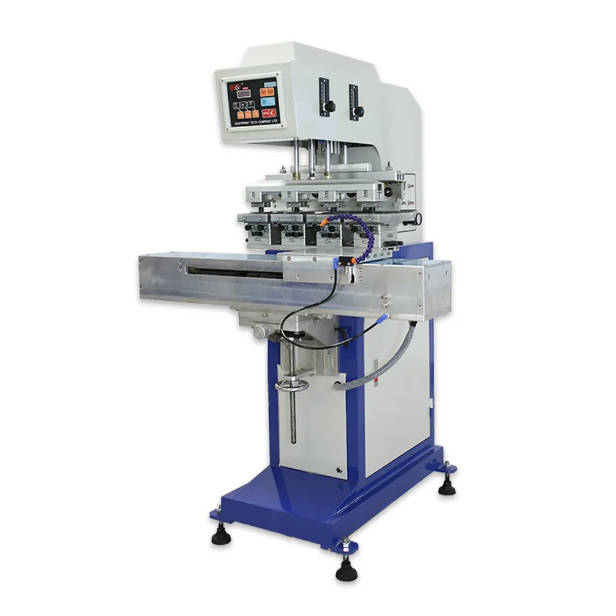
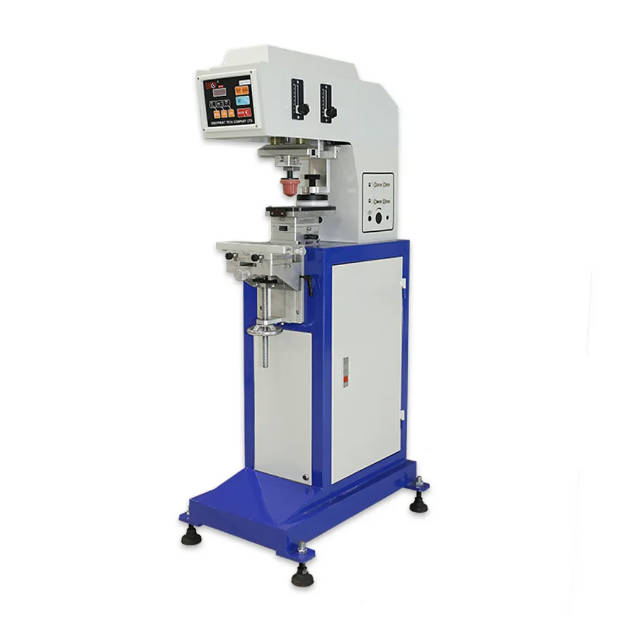
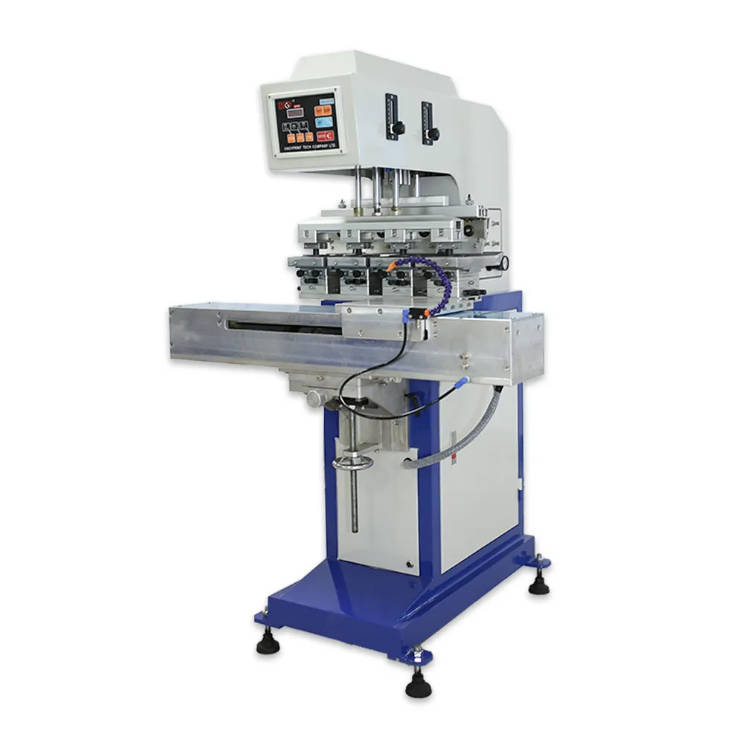
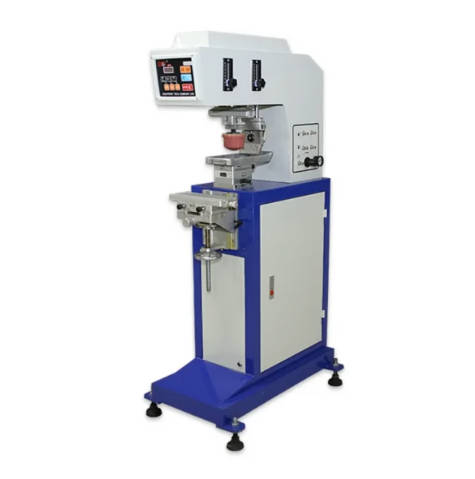
Pad printing is a versatile and widely utilized printing technique renowned for its ability to transfer 2D images onto 3D objects, especially those with irregular surfaces. At the heart of this process lies the pad printing cliche, a precisely etched or engraved plate that holds the image to be transferred. The quality and performance of the final print are inextricably linked to the quality of this cliche. Therefore, selecting the optimal cliche production method – primarily laser engraving or acid etching – is not just a preference, but a critical strategic decision that impacts print quality, production efficiency, and cost-effectiveness.
This article aims to provide a comprehensive comparison between laser engraving and acid etching for the production of pad printing cliches. By delving into their respective processes, advantages, disadvantages, applications, and cost considerations, we intend to equip you with the knowledge necessary to make an informed decision that aligns perfectly with your specific production needs and business objectives.
2. Overview of Pad Printing Cliches
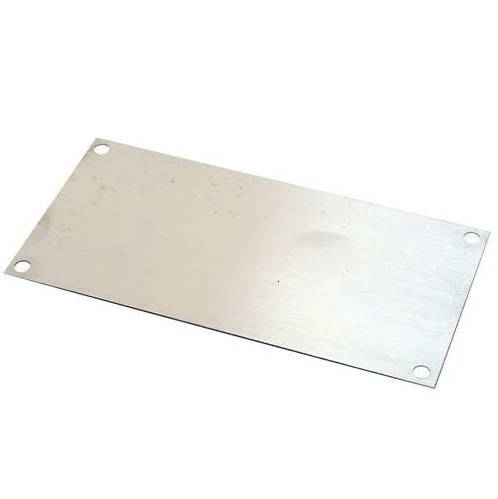
Pad printing cliches, also commonly referred to as printing plates or clichés, are the fundamental components in the pad printing process. Their primary role is to serve as the carrier for the artwork, logo, or text that will be transferred onto the substrate. The image is recessed into the surface of the cliche, forming an intaglio (recessed) image area that holds the ink. During the printing cycle, ink fills these recesses, and a silicone pad then picks up the ink and transfers it to the object.
Cliches are typically made from durable materials that can withstand repeated use and resist wear. Common materials include:
- Steel cliches: Known for their exceptional durability and longevity, ideal for very high-volume production runs.
- Polymer cliches: More flexible and cost-effective, suitable for shorter runs or prototypes. These can be photopolymer or laser-ablative polymer plates.
- Ceramic cliches: Offering a balance of durability and cost, often used in medium to high-volume applications.
Regardless of the material, high-quality cliches must meet several key requirements:
- Durability: To ensure a long lifespan and consistent print quality over numerous cycles.
- Precision: The engraved or etched image must be sharp, clear, and accurately reproduce the original artwork.
- Image Quality: The depth and consistency of the image area directly influence ink pickup and transfer, thereby affecting the final print resolution and vibrancy.
- Consistency: Each cliche produced should exhibit the same high standards to ensure uniform results across batches.
3. Laser Engraving for Pad Printing Cliches
Process Description
Laser engraving for pad printing cliches involves using a focused laser beam to selectively remove material from the surface of a cliche blank, creating the desired recessed image. CO2 lasers and fiber lasers are commonly used, with the choice depending on the cliche material. The laser’s intensity, speed, and focus are precisely controlled by computer software, allowing for highly intricate designs. As the laser beam traces the image, it vaporizes or melts away the material, leaving behind the etched design. This process is entirely digital, meaning the artwork is fed directly from a computer-aided design (CAD) program to the laser engraver.
Advantages
- High Precision and Fine Detail Capabilities: Laser engraving systems offer unparalleled precision, capable of producing extremely fine lines, intricate details, and small text with exceptional accuracy. This makes them ideal for complex graphics and high-resolution pad printing.
- Speed and Efficiency in Production: Once the artwork is finalized, the laser engraving process is significantly faster than acid etching, especially for intricate designs. It’s a single-step, direct-to-plate method, minimizing setup and processing times. This efficiency is a major benefit for high-volume production and tight deadlines.
- Minimal Material Waste and Environmental Impact: As a non-contact process, laser engraving generates very little material waste, typically in the form of fine dust that can be easily collected. It also eliminates the need for hazardous chemicals, making it an environmentally friendlier option compared to traditional etching methods. This aligns with modern demands for sustainable manufacturing practices.
- Digital Workflow and Repeatability: The digital nature of laser engraving ensures exceptional repeatability. Once a design is programmed, it can be replicated perfectly countless times, guaranteeing consistency across all pad printing cliches.
- Versatility in Depth Control: Modern laser engravers allow for precise control over engraving depth, enabling the creation of varying ink film thicknesses for different print effects.
Disadvantages
- Higher Initial Equipment Costs: The primary drawback of laser engraving machines is their significant upfront investment. Industrial laser engravers can be expensive, making them less accessible for smaller businesses with limited capital.
- Limitations with Certain Materials or Deep Engravings: While highly versatile, some extremely hard materials might be challenging or slower to engrave with a laser to very deep levels. Achieving extremely deep engravings can also increase production time and wear on the laser.
- Material-Specific Limitations: Different cliche materials react differently to lasers. Optimizing settings for each material type (e.g., steel, ceramic, polymer) is crucial and might require specific laser types.
Applications
Laser-engraved cliches are best suited for scenarios demanding high-volume production, intricate designs, and rapid turnaround times. Industries such as medical device manufacturing (requiring precise marking), automotive components, electronics, and promotional products frequently leverage laser engraving for its speed, accuracy, and consistent quality. They are particularly effective when high-resolution pad printing is paramount.
Cost Considerations
| Cost Factor | Description | Impact on Laser Engraving |
| Upfront Equipment Cost | Initial investment for the laser engraving machine. | High. Can range from tens of thousands to hundreds of thousands of dollars, depending on power, features, and brand. |
| Operational Costs | Electricity, laser tube replacement (consumable), maintenance, cooling. | Moderate to High. Electricity consumption is significant. Laser tubes/sources have finite lifespans and need replacement. |
| Material Costs | Cost of blank cliche plates. | Similar to acid etching. |
| Labor Costs | Operator time for setup and monitoring. | Low. Highly automated once programmed, requiring less direct labor involvement during the engraving process. |
4. Acid Etching for Pad Printing Cliches
Process Description
Acid etching is a more traditional method for creating pad printing cliches. It involves a multi-step chemical process. First, a light-sensitive emulsion (photoresist) is applied to a cliche blank. The artwork is then transferred onto this emulsion using a photographic negative and UV light exposure. Areas exposed to UV light harden, while unexposed areas remain soft. The soft areas are then washed away, revealing the underlying cliche material. The cliche is then submerged in an etching solution (typically ferric chloride for steel or specific acids for other materials). The acid chemically dissolves the exposed metal, creating the recessed image. Finally, the remaining hardened photoresist is stripped, and the cliche is cleaned.
Advantages
- Cost-Effective for Smaller Budgets or Low-Volume Production: The initial setup cost for acid etching equipment (e.g., UV exposure units, etching tanks) is generally much lower than for laser engravers. This makes it an attractive option for small businesses, startups, or those with infrequent or low-volume cliche production needs. This method is often preferred for businesses with limited capital investment.
- Suitable for Deeper Engravings and Specific Materials: Acid etching excels at creating consistently deep engravings, which can be advantageous for achieving a thicker ink film, especially on certain challenging substrates. It is also well-suited for a broader range of metal materials, as the chemical reaction is less dependent on the material’s optical properties compared to lasers.
- Proven Technology and Established Expertise: Acid etching has been a mainstay in the printing industry for decades, meaning there is ample expertise, established processes, and readily available consumables.
Disadvantages
- Slower Process Compared to Laser Engraving: The multi-step nature of acid etching, involving emulsion application, exposure, developing, etching, and stripping, makes it a significantly slower process than laser engraving. Each step requires specific timing and handling.
- Potential for Inconsistent Results if Not Carefully Controlled: Achieving consistent etch depth and image quality requires precise control over exposure times, acid concentration, temperature, and etching duration. Variations in these parameters can lead to inconsistencies in the cliche and, consequently, in the printed image.
- Environmental Concerns Due to Chemical Use: A major disadvantage is the use of hazardous chemicals (acids, developers, strippers). These require careful handling, proper ventilation, and environmentally responsible disposal, leading to increased safety protocols and waste management costs. This makes it less appealing for businesses prioritizing eco-friendly manufacturing.
- Higher Skill Requirement: The manual and chemical-intensive nature of acid etching typically demands a more skilled and experienced operator to ensure consistent quality and safe handling of chemicals.
- Resolution and Detail Limitations: While capable of good detail, acid etching generally cannot achieve the same level of ultra-fine precision and intricate detail as laser engraving, especially with very small fonts or complex half-tone images.
Applications
Acid-etched cliches are an ideal choice for specialized materials, especially when deeper ink wells are desired, and for budget-conscious projects or businesses with lower production volumes. They are still widely used in industries where extreme precision is not the absolute top priority but cost-effectiveness and good general print quality are essential. Examples include some promotional product companies, small-scale industrial marking, and custom part labeling.
Cost Considerations
| Cost Factor | Description | Impact on Acid Etching |
| Upfront Equipment Cost | Initial investment for UV exposure unit, etching tank, developing trays. | Low. Significantly less than laser engravers, making it accessible for smaller budgets. |
| Operational Costs | Consumables: Photoresist, developer, etching solution, strippers, water. | Moderate to High. Chemicals are ongoing costs, and their disposal can incur additional expenses. |
| Material Costs | Cost of blank cliche plates. | Similar to laser engraving. |
| Labor Costs | Operator time for multiple manual steps. | High. Requires more hands-on involvement for each cliche, increasing labor time and potentially requiring skilled staff. |
5. Comparison of Laser Engraving and Acid Etching
To provide a clearer picture, let’s compare these two methods across several key performance indicators:
| Feature | Laser Engraving | Acid Etching |
| Precision & Quality | Superior. Extremely high resolution, fine detail, and consistent depth. | Good. Can achieve good detail, but generally less precise for ultra-fine elements. |
| Speed & Efficiency | Fast. Automated, direct-to-plate, ideal for high-volume. | Slower. Multi-step chemical process, less efficient for high volumes. |
| Material Compatibility | Excellent for polymers, ceramics, and many metals (steel). | Excellent for a wide range of metals, including steel. Less ideal for polymers. |
| Environmental Impact | Low. Minimal waste, no hazardous chemicals. | High. Chemical use (acids, developers, strippers) requires careful disposal. |
| Scalability | High. Well-suited for large-scale, automated production. | Moderate. More labor-intensive, less scalable for very high volumes. |
| Durability of Cliches | Very high for steel/ceramic cliches. Good for polymer. | Very high for steel cliches. Often favored for deep-etched durable steel plates. |
| Initial Cost | High. | Low. |
| Operational Cost | Moderate (electricity, laser source). | High (chemicals, disposal, labor). |
| Skill Requirement | Moderate (software operation). | High (chemical handling, process control). |
| Ideal Use Case | High-volume, intricate designs, fast turnaround, eco-friendly. | Low-to-medium volume, budget-conscious, deep engravings, specific metal compatibility. |
6. Common Questions from Pad Printing Cliche Users
Here are some frequently asked questions that can help guide your decision-making process:
- Which method is better for small businesses with limited budgets? Acid etching typically has a lower upfront cost, making it more accessible for small businesses or startups with budget constraints. However, consider long-term operational costs and desired print quality.
- How does each method affect print quality on different substrates? Both can achieve good print quality. Laser engraving offers superior detail for complex graphics, which might be more noticeable on smooth, high-resolution substrates. Acid etching’s deeper wells can be advantageous for achieving opaque prints on absorbent or textured materials.
- What are the maintenance requirements for cliches produced by each method? The maintenance for the cliche itself is similar: regular cleaning to prevent ink drying and wear. Laser-engraved cliches might have smoother surfaces, potentially making cleaning slightly easier.
- Can both methods handle complex or high-resolution designs? Laser engraving excels at complex, high-resolution designs due to its digital precision. Acid etching can handle many complex designs but may struggle with ultra-fine details or very small text compared to laser.
- How do I choose based on my production volume and turnaround time? For high production volumes and urgent turnaround needs, laser engraving is generally the superior choice due to its speed and automation. For lower volumes where time is less critical, acid etching can be a viable and cost-effective alternative.
7. Case Studies or Examples
- Case Study: Medical Device Manufacturer (Laser Engraving) A company producing intricate medical devices required extremely precise, sterile markings and serial numbers on small plastic and metal components. They transitioned from acid etching to fiber laser engraving for their cliches. The immediate benefits included a significant increase in detail accuracy, a reduction in production time by 40%, and the elimination of chemical waste, aligning with their stringent quality and environmental standards. The consistent depth control of the laser ensured uniform ink transfer, crucial for regulatory compliance.
- Case Study: Promotional Products Supplier (Acid Etching then Hybrid) A promotional products company initially relied on acid etching for its low-to-medium volume production of branded pens and keychains. This was cost-effective for their varied, often simple designs. However, as demand grew for more complex, multi-color logos and faster turnaround, they invested in a polymer laser engraving system for their high-end, complex projects, while retaining acid etching for simpler, large-volume steel cliche requirements. This hybrid approach allowed them to optimize costs and capabilities.
8. Recommendations for Choosing the Right Method
Choosing between laser engraving and acid etching requires a careful evaluation of your specific operational context. Consider the following factors:
- Budget:
- Limited upfront budget? Acid etching’s lower initial equipment cost might be more attractive.
- Long-term perspective with higher capital? Laser engraving might offer better ROI through reduced operational costs and increased efficiency.
- Production Volume:
- High-volume, continuous production? Laser engraving’s speed and automation are unmatched.
- Low-to-medium volume, intermittent runs? Acid etching can be perfectly adequate.
- Material Type:
- Polymer or ceramic cliches? Laser engraving is often superior.
- Steel cliches requiring deep ink wells? Both can work, but acid etching has a long history here.
- Design Complexity:
- Intricate details, very small text, high-resolution images? Laser engraving is the clear winner.
- Simpler logos, larger text? Acid etching can perform well.
- Environmental Priorities:
- Strong commitment to eco-friendly practices? Laser engraving eliminates hazardous chemical waste.
- Turnaround Time:
- Need fast production and quick changes? Laser engraving is significantly quicker.
Decision-Making Checklist:
- What is my initial equipment budget?
- What is my average cliche production volume per month/year?
- What materials do I primarily use for my cliches?
- How complex are my typical designs (e.g., fine lines, small text)?
- How critical is environmental impact to my operations?
- What is my typical required turnaround time for new cliches?
- Do I have skilled personnel available for chemical processes?
When to combine both methods for specific applications: For large operations with diverse needs, a hybrid approach utilizing both laser engraving for precision and speed on certain jobs, and acid etching for cost-effectiveness on others, can offer the most flexible and optimized solution.
9. Conclusion
The choice between laser engraving and acid etching for pad printing cliches is a pivotal decision that directly influences the efficiency, quality, and cost-effectiveness of your printing operations. While acid etching remains a viable, budget-friendly option for certain applications, especially where initial investment is a major concern, laser engraving has emerged as the frontrunner for precision, speed, and environmental sustainability.
Ultimately, the best method for your business will depend on a careful assessment of your unique requirements, including budget constraints, production volume, design complexity, desired print quality, and environmental considerations. We strongly encourage you to assess your specific needs thoroughly and, where possible, consult with cliche suppliers or equipment experts. Testing both methods with your actual designs and materials can provide invaluable real-world data to guide your optimal choice, ensuring your pad printing cliches consistently deliver superior results.