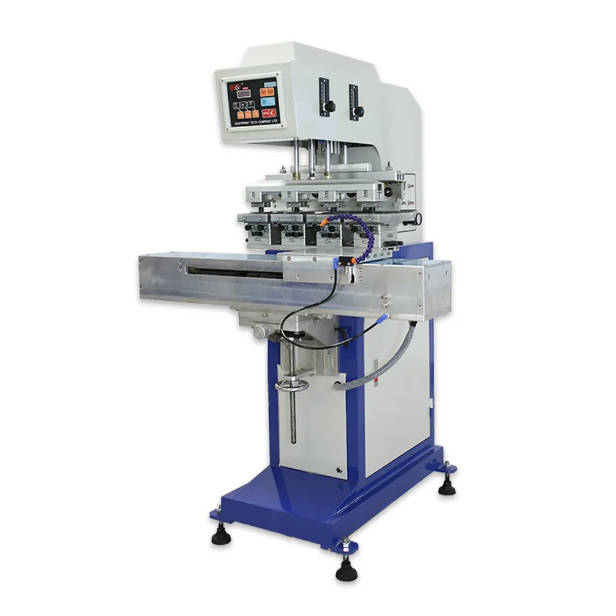
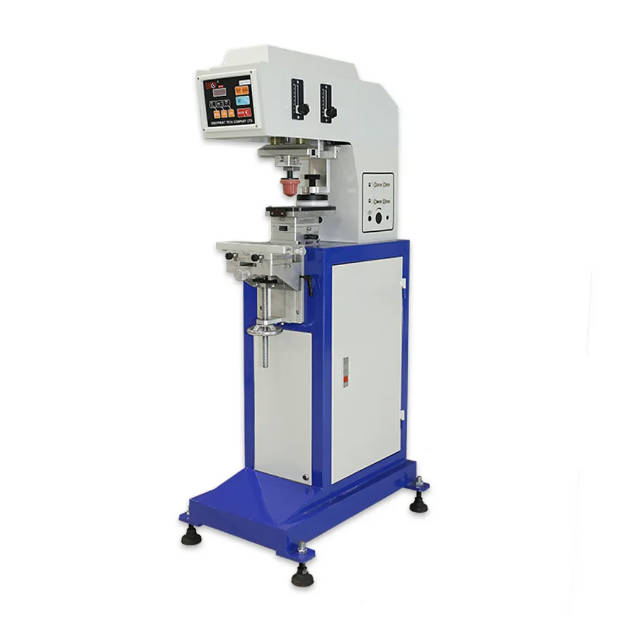
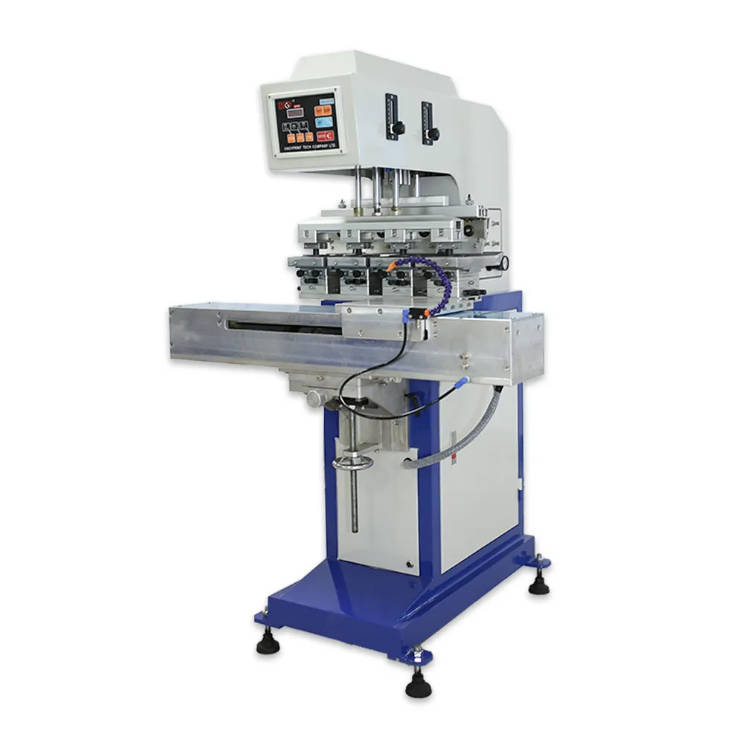
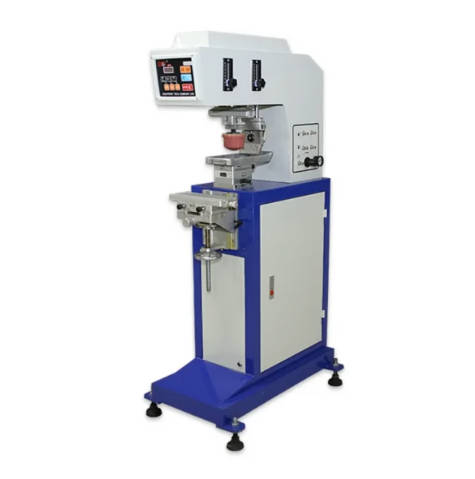
In 2026, the cost of a pad printing machine is projected to range from approximately $1,500 for a basic manual model to over $150,000 for a fully automated, multi-color system integrated with robotics. This significant price variance is driven by the machine’s type, level of automation, color capabilities, brand reputation, and the prevailing economic climate. Understanding these factors is crucial for any business planning to invest in this versatile printing technology, as the initial purchase price is only one component of the total investment. This comprehensive guide will break down the projected costs for 2026, explore the key factors influencing pricing, and delve into the total cost of ownership to help you make an informed and strategic decision.
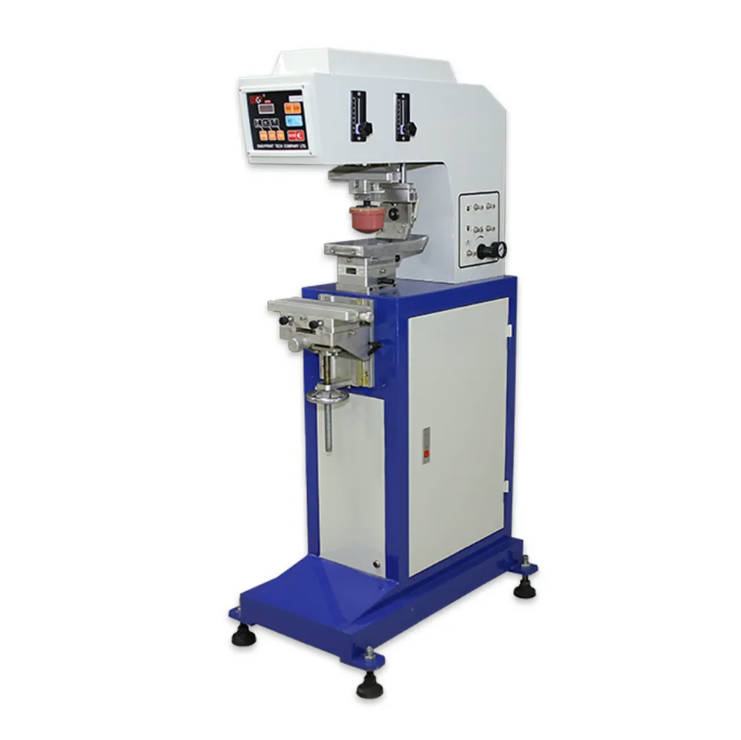
Table of Contents
- What is the Projected Cost of a Pad Printing Machine in 2026?
- What Key Factors Will Influence Pad Printer Prices in 2026?
- Beyond the Sticker Price: Uncovering the Total Cost of Ownership (TCO)
- Should You Buy a New, Used, or Refurbished Machine in 2026?
- How to Choose the Right Pad Printing Machine for Your Budget?
- Conclusion: Making a Smart Pad Printing Investment in 2026
What is the Projected Cost of a Pad Printing Machine in 2026?
Forecasting the exact price of capital equipment requires analyzing current trends, technological advancements, and economic indicators. As we look toward 2026, the cost of pad printing machines, also known as tampography machines, will continue to span a wide spectrum. The primary determinant of cost remains the machine’s core functionality and level of automation. A small business or startup might find an entry-level machine perfectly suitable, while a high-volume manufacturing facility will require a much more significant investment in a robust, automated system. Factoring in moderate inflation and continued development in printing technology, we can project the following price ranges for 2026.
It’s vital to view these figures not as fixed prices but as educated estimates. The final cost you pay will be influenced by the specific configuration, optional features, and the supplier you choose. This table provides a foundational budget expectation for planning your acquisition in 2026.
| Machine Type | Projected 2026 Price Range (USD) | Ideal Use Case |
|---|---|---|
| Manual Pad Printer | $1,500 – $4,000 | Prototyping, small-batch production, hobbyist use, very low volume. |
| Tabletop Semi-Automatic (1-2 Colors) | $5,000 – $20,000 | Small to medium businesses, promotional item printing, moderate production runs. |
| Industrial Semi-Automatic (1-6 Colors) | $20,000 – $75,000 | High-quality industrial marking, medical devices, automotive components, medium to high volume. |
| Fully-Automatic / Automated Line | $75,000 – $150,000+ | Mass production, integration into existing assembly lines, minimal operator intervention. |
What Key Factors Will Influence Pad Printer Prices in 2026?
The price of a pad printing machine is not arbitrary; it’s a calculated sum based on its capabilities, construction, and the technology it incorporates. As a buyer in 2026, understanding these cost drivers will empower you to better evaluate quotes and determine which features are necessities versus luxuries for your specific application. A higher price often correlates with increased efficiency, precision, and lower long-term labor costs.
Machine Type: Manual, Semi-Automatic, and Fully-Automatic
The most fundamental price differentiator is the machine’s mode of operation. Manual machines, projected to be in the $1,500 to $4,000 range, are the entry point. They rely entirely on an operator for every step: inking the plate, positioning the part, and actuating the print. They are best for prototypes or extremely low volumes. Semi-automatic machines ($5,000 to $75,000) represent the largest segment of the market. Here, the operator’s role is typically limited to loading and unloading the part, while the machine handles the print cycle with pneumatic or servo-electric power. This ensures consistency and boosts output significantly. Finally, fully-automatic systems ($75,000+) are complete production solutions. They often feature conveyor belts, robotic arms for part handling, vision systems for quality control, and pre-treatment stations (like flame or corona), requiring minimal human interaction and delivering the highest throughput.
Number of Colors and Print Stations
How many colors does your design require? The answer to this question directly impacts machine cost. A single-color machine is relatively simple, with one ink cup, one pad, and one cliché (printing plate). However, if your artwork has four colors, you will need a machine capable of printing each color in perfect registration. This can be achieved with a carousel-style machine, where the part rotates under different print heads, or a linear shuttle machine, where the part moves back and forth. Each additional color station adds significant complexity and cost, requiring more components, more precise engineering for registration, and more sophisticated control systems. A 4-color semi-automatic machine will be substantially more expensive than its 1-color counterpart, often doubling or tripling the initial investment.
Technological Advancements and Automation Integration
The pad printing industry in 2026 will be heavily influenced by Industry 4.0 trends. Machines with advanced features will command a premium. This includes servo-electric drives instead of traditional pneumatics, offering quieter, cleaner, and more precise and repeatable control over every movement. Integrated vision systems that can automatically detect misprints or positioning errors are another high-value feature. Furthermore, the ability for a machine to communicate with a factory’s Manufacturing Execution System (MES) for data logging and remote monitoring adds another layer of cost and sophistication. Expect to see more machines with intuitive touchscreen interfaces, programmable job storage, and even AI-powered self-diagnostics, all of which contribute to a higher upfront cost but promise significant returns in efficiency and quality control.
Brand Reputation and Country of Origin
Where your machine is made and by whom matters significantly. Established brands from North America and Europe, such as Inkcups, ITW Trans Tech, Teca-Print, and TampoPrint, have built decades-long reputations for reliability, durability, and excellent customer support. Their machines often feature higher-grade materials and more robust engineering, justifying a higher price tag. In 2026, a machine from one of these manufacturers is an investment in longevity and performance. Conversely, manufacturers from Asia offer a much lower entry point. While the quality has improved dramatically over the years, there can still be trade-offs in terms of component lifespan, the precision of adjustments, and the availability of local technical support and spare parts. Your decision here depends on your risk tolerance and whether you prioritize lower initial capital outlay or long-term operational security.
Global Economic Factors: Inflation and Supply Chains
No discussion of 2026 pricing would be complete without acknowledging macroeconomic forces. Lingering effects of global inflation will continue to impact the cost of raw materials like steel, aluminum, and electronic components, all of which are essential to building a pad printer. Furthermore, the stability of global supply chains remains a critical variable. Any disruption, whether geopolitical, environmental, or logistical, can lead to increased shipping costs and component shortages, which manufacturers will inevitably pass on to the consumer. When budgeting for 2026, it is wise to build in a contingency of 5-10% to account for this potential market volatility. Engaging with suppliers early and locking in pricing where possible can help mitigate these risks.
Beyond the Sticker Price: Uncovering the Total Cost of Ownership (TCO)
A savvy business owner knows that the purchase price is just the beginning of the financial story. The Total Cost of Ownership (TCO) provides a more holistic view of the investment over the machine’s entire lifecycle. A cheaper machine with high running costs can easily become more expensive in the long run than a premium model with high efficiency. In 2026, focusing on TCO will be the hallmark of a smart purchasing strategy.
Initial Setup and Installation Costs
Once the machine arrives, it’s not always a “plug-and-play” scenario. Simple tabletop machines may require minimal setup. However, larger industrial or automated systems can incur significant installation costs. This might include expenses for freight shipping, rigging to move the machine into place, and professional installation and calibration by a certified technician from the manufacturer. Depending on the complexity, these costs can range from a few hundred to several thousand dollars. You may also need to budget for facility modifications, such as dedicated electrical circuits or compressed air lines, which should be factored into your initial project budget.
Consumables: Ink, Pads, Plates, and Solvents
Pad printing is a process that relies on consumables, which represent a significant and ongoing operational expense. Inks vary in price based on type (e.g., standard, medical-grade, UV-curable), color, and brand. Silicone pads, which transfer the image, wear out over time and need replacement; their cost depends on size, shape, and durometer (hardness). Clichés or printing plates must be created for each new job. The cost of raw plates and the equipment or service used for etching or laser-engraving them must be considered. Finally, solvents and thinners are necessary for adjusting ink viscosity and for cleaning. A machine with an efficient sealed ink cup system will use significantly less ink and solvent than an open inkwell system, demonstrating how a higher initial machine cost can lead to lower long-term consumable expenses.
Maintenance, Repairs, and Potential Downtime
Like any mechanical device, a pad printing machine requires regular maintenance to perform optimally. This includes daily cleaning, weekly lubrication, and periodic replacement of wearable parts like O-rings and seals. While these costs are typically minor, a budget for a preventive maintenance kit is wise. The larger, more critical cost is potential downtime. When a machine is down for repairs, production stops, and deadlines can be missed. A machine from a reputable brand may have a higher initial cost but is often built with more durable components, reducing the frequency of unexpected breakdowns. Furthermore, the availability of technical support and spare parts becomes paramount. A cheaper machine could be out of commission for weeks waiting for a part from overseas, while a premium brand may offer next-day service, making the higher TCO of the cheaper machine painfully obvious.
Training and Labor Costs
Your machine is only as good as the operator running it. Proper training is not an expense; it’s an investment in quality and efficiency. Factor in the cost for your team to be trained by the manufacturer, either on-site or at their facility. A well-trained operator will produce higher quality prints, waste fewer consumables, and perform basic maintenance, reducing downtime. Additionally, consider the labor cost itself. A fully automated system may have a six-figure price tag, but if it allows you to reassign two full-time operators to other value-added tasks, the return on investment can be calculated in months, not years. The labor savings associated with automation will be an even more compelling argument in the 2026 economic landscape.
Should You Buy a New, Used, or Refurbished Machine in 2026?
The decision between purchasing new, used, or refurbished equipment is a classic business dilemma that balances cost against risk. In 2026, with a dynamic market for both new and pre-owned machinery, each option presents a distinct set of advantages and disadvantages. A careful evaluation of your budget, production needs, and risk tolerance is essential before committing to a purchase path.
A new machine offers the greatest peace of mind. It comes with a full manufacturer’s warranty, the latest technology, and comprehensive support and training. You are the first owner, so its history is known, and its performance is guaranteed. This is the best choice for mission-critical applications where reliability is non-negotiable. A used machine offers the lowest initial cost, making it attractive for startups or for applications with a tight budget. However, it is a high-risk proposition. The machine comes “as-is,” often with no warranty, no support, and an unknown maintenance history. It may require significant repairs or lack the precision of a newer model. A refurbished machine from a reputable dealer or the original manufacturer can offer a compelling middle ground. These machines are typically inspected, repaired with OEM parts, and tested to meet original specifications. They often come with a limited warranty and can provide excellent value, delivering 80-90% of the performance of a new machine for a fraction of the cost.
How to Choose the Right Pad Printing Machine for Your Budget?
Selecting the right pad printer is a strategic decision that goes beyond just finding the cheapest option. It involves a thorough analysis of your specific needs and a forward-looking assessment of your business goals. By asking the right questions, you can ensure your investment in 2026 will be a profitable one for years to come.
Assessing Your Production Volume and Speed Requirements
First, be realistic about your production needs. How many parts do you need to print per hour, per day, or per shift? A manual machine might be sufficient for 50 parts a day, but attempting to print 500 parts would be a labor-intensive nightmare. Conversely, buying a fully automated system for a low-volume job is a waste of capital. Project your growth over the next 3-5 years. It might be wiser to invest in a semi-automatic machine with more capacity than you currently need, allowing you to scale your production without needing to buy another machine in 12 months. Speed (parts per hour) is a key specification, so match it closely to your operational targets.
Evaluating Substrates and Product Complexity
What are you printing on? The nature of your product, or substrate, plays a huge role. Are you printing on flat, simple promotional items, or complex, multi-angled automotive parts? Printing on a challenging geometry may require specialized pads or custom fixtures, which can add to the project cost. Is the substrate plastic, metal, glass, or silicone? Each material may require a specific ink series and potentially a pre-treatment process (like flame, corona, or plasma) to ensure proper ink adhesion. A machine with built-in or easily integrated pre-treatment capabilities might be necessary, impacting your choice and budget.
Calculating Your Projected Return on Investment (ROI)
Ultimately, a pad printing machine is a tool to make money. Before you buy, calculate its potential ROI. Start by determining your current cost per print if you are outsourcing. Then, calculate your projected in-house cost per print, including machine amortization, labor, and consumables. How many prints will it take to break even on the investment? What new business opportunities or product lines will this capability unlock? For example, a machine that costs $50,000 but saves you $25,000 per year in outsourcing fees and labor has a simple 2-year ROI. Presenting a clear ROI calculation makes the investment much easier to justify and helps you choose the machine that offers not just the right price, but the best overall value for your business’s future.
Conclusion: Making a Smart Pad Printing Investment in 2026
Investing in a pad printing machine in 2026 is a significant decision that extends far beyond a simple price tag. While projected costs can range from under $2,000 for a manual setup to well over $150,000 for a custom automated solution, the true value lies in finding the perfect balance between capability and cost. The most crucial takeaway is to shift your focus from the initial purchase price to the long-term Total Cost of Ownership. Factors like automation, color capacity, brand reputation, and ongoing consumable and maintenance costs will ultimately determine the financial success of your investment.
By thoroughly assessing your production volume, understanding the complexities of your product, and calculating a realistic return on investment, you can navigate the market with confidence. Whether you choose a new, used, or refurbished machine, arming yourself with knowledge about the key cost drivers and operational expenses will empower you to select a pad printer that not only fits your 2026 budget but also serves as a profitable engine for growth in the years to come.
pad printing machine cost, pad printer price, how much does a pad printing machine cost, cost of a pad printing machine in 2026, industrial pad printing machine price, automatic pad printing machine cost, total cost of ownership pad printer, 1-color pad printing machine price, tampography machine price, new vs used pad printer